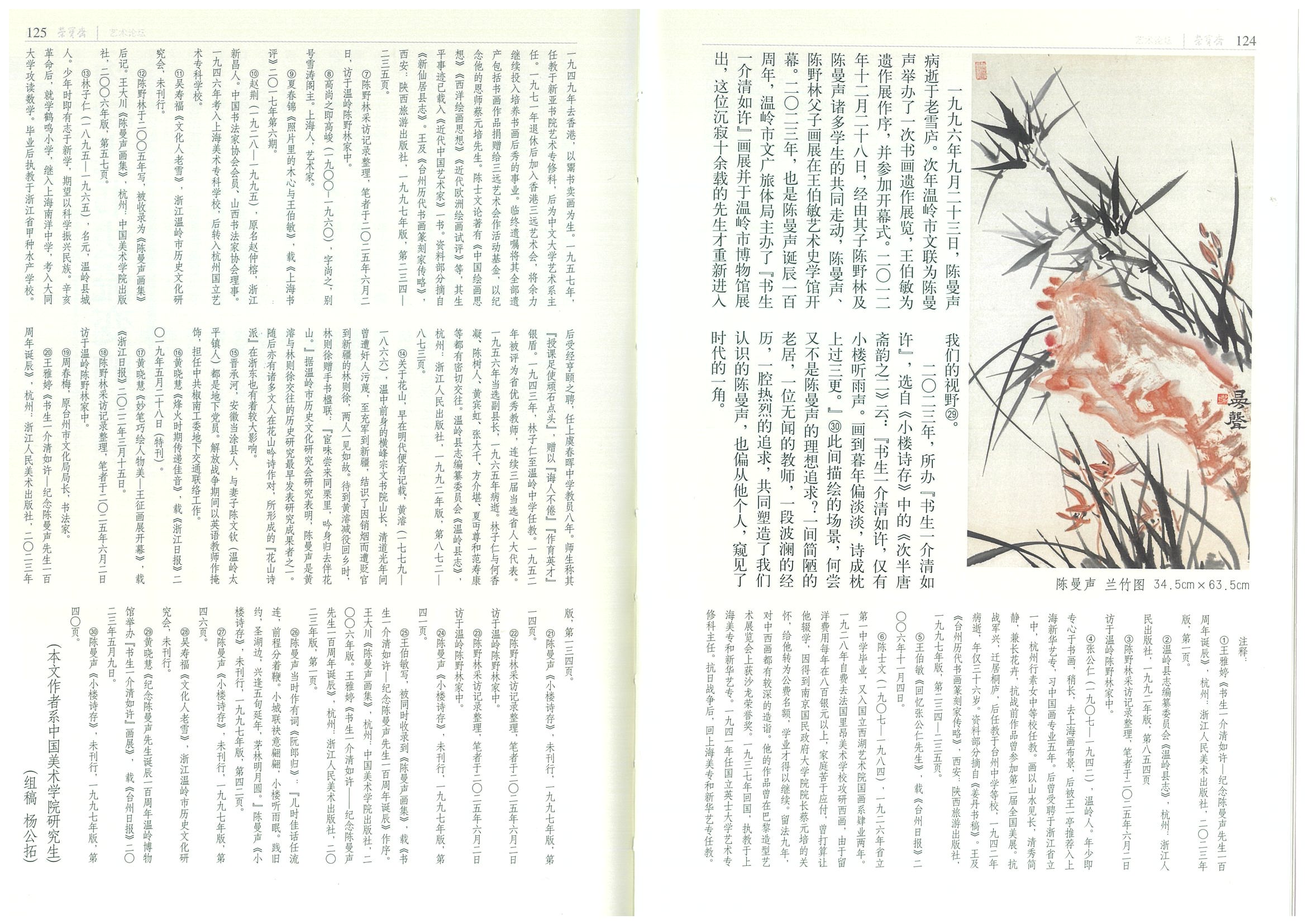
Studies in Exhibition Culture
Provincial First-Class Undergraduate Course
This course provides a systematic introduction to cultural studies through the analysis of exhibition culture. The content is organized into three modules:
Module I, Methodological Foundations: Using the 5W1H framework and the "six-sense" theory to deconstruct the elements of display, combined with image communication and psychological distance analysis, students master visualization methods and establish their individual research focus.
Module II, The Interaction between Cultural Artifacts and Social Structures: Comparing two models—"market-led with government participation" and "government-led with market participation"—to clarify the distinct roles of market and government, emphasizing that cultural products carry both commercial value and independent aesthetic significance.
Module III, Display Systems in the Perspective of Public Communication: Analyzing key issues such as motivation, strategy, channels, and agency, to reveal the constructed nature of display. From the perspective of national cultural strategy, the course compares the systems of the UK, the US, and France, while also engaging with contemporary curatorial practices since the 20th century—exploring how cultural display can achieve value communication and image-building.
Education Level: Undergraduate
Course Images:


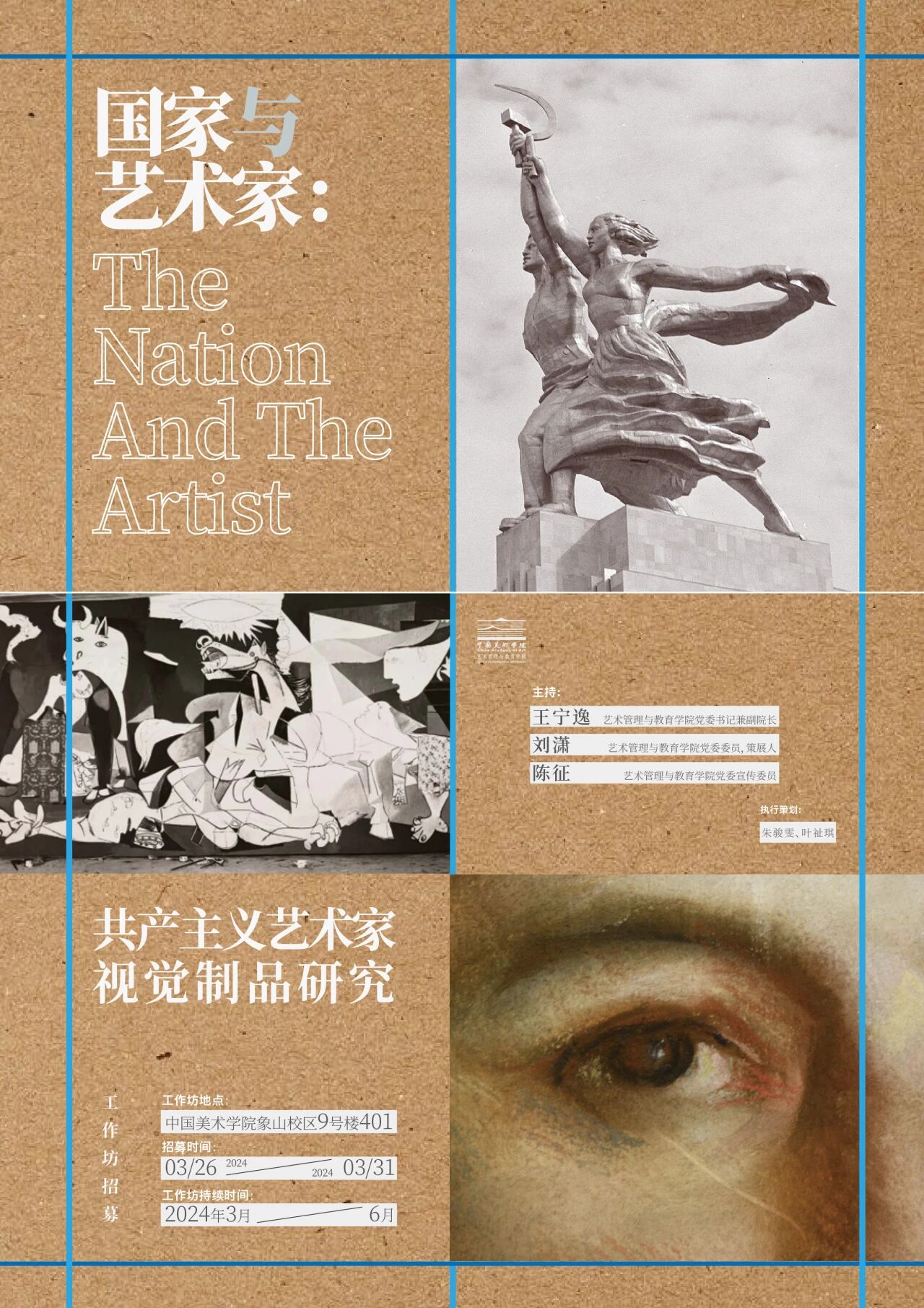

Art Institution Studies
China Academy of Art Signature Course
This core course combines theoretical inquiry with field-based practice, adapting the Academy’s tradition of field study to art administration and education. Focusing on art institutions as dynamic cultural systems, students investigate museums, galleries, heritage sites, cultural landscapes, and digital environments through the conceptual framework of the Six Boxes. Through site visits, field research, case studies, and presentations, they develop skills in observation, documentation, critical analysis, and curatorial thinking. By connecting theory with first-hand experience, the course examines how institutions are organized, operated, and socially constructed, while encouraging students to explore the reciprocal relationship between people and institutions and the cultural narratives and values embedded in diverse exhibition and institutional contexts.
Education Level: Undergraduate
Course Images

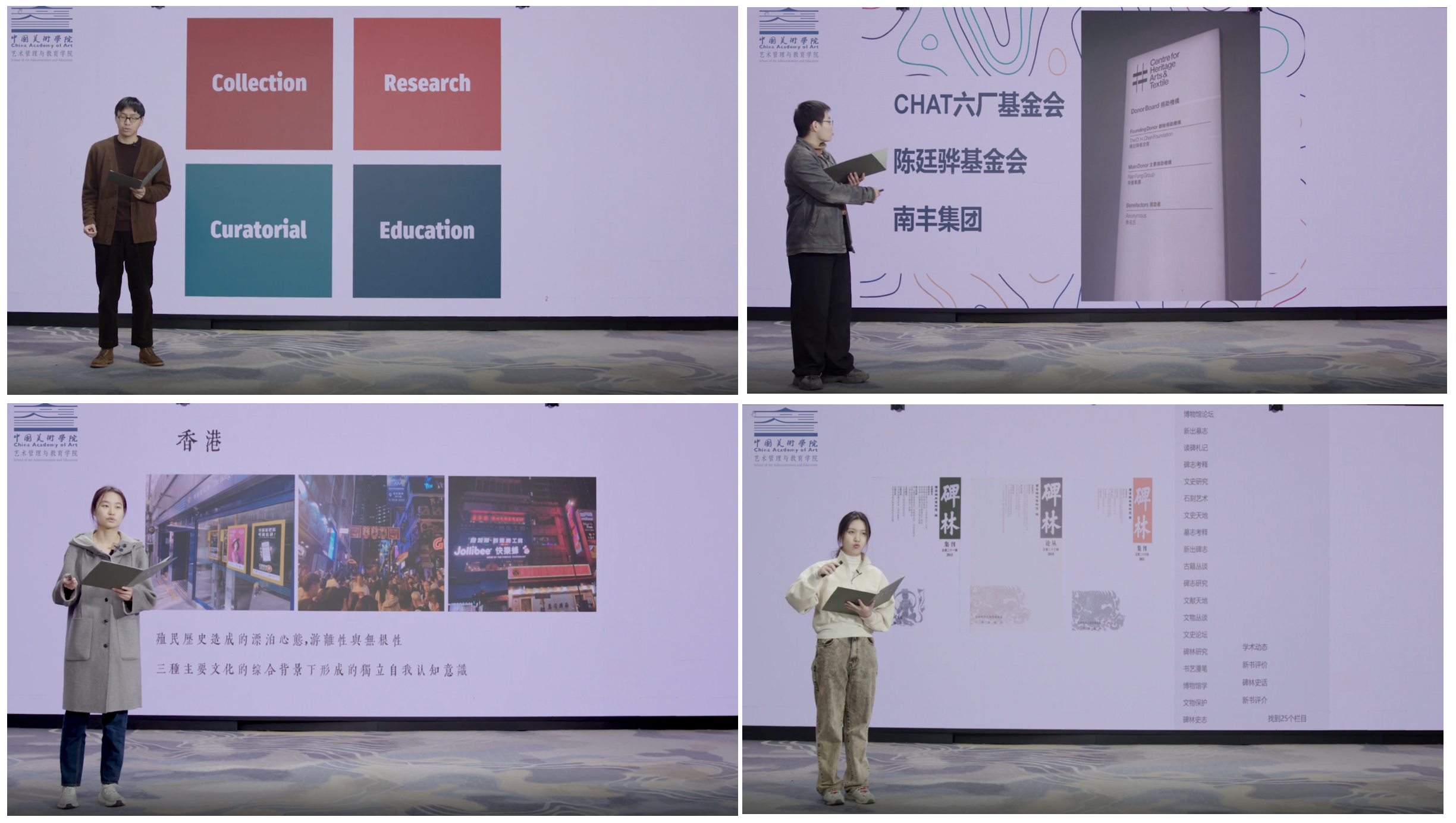


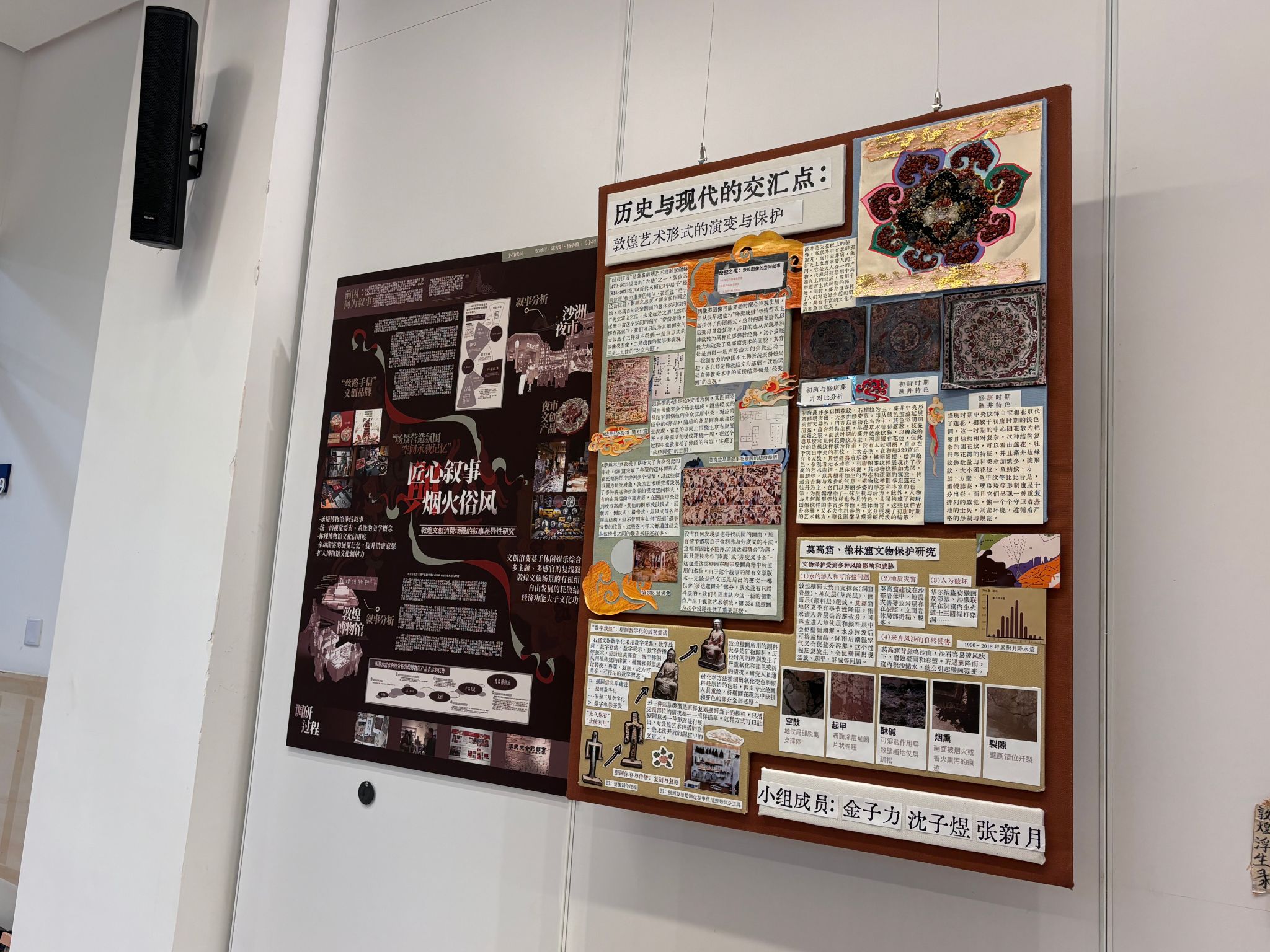
Art Communication and Public Culture
This course introduces the theories and practices of art communication through the study of art media, textual analysis, and communication systems. Students develop skills in professional writing, media strategies, and communication planning for artistic and cultural projects. Grounded in case studies from leading art institutions and media organizations, together with simulation projects, the course integrates two core modules—Value Formation and Communication Practice. Through project-based learning and hands-on training, students learn to identify, articulate, and communicate cultural values, while developing the ability to shape public understanding, foster cultural engagement, and enhance the social impact of art through strategic communication.
Education Level: Undergraduate
Course Images


Audience Studies and Engagement
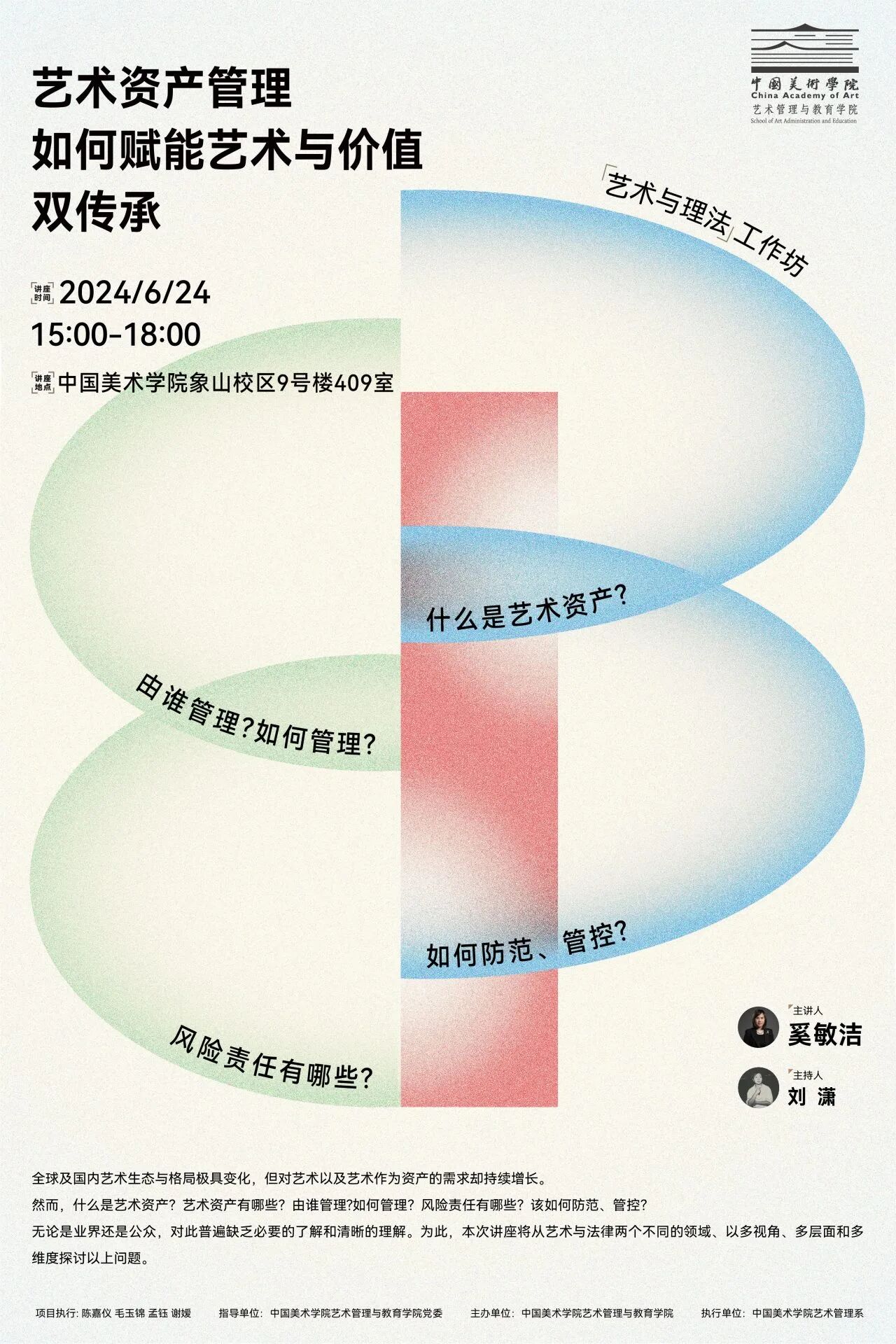
This course provides a systematic introduction to the theories and methods of audience studies and engagement in the arts. It examines audience behavior, participation, psychology, development, and cross-cultural differences, while introducing research methodologies, data analysis, and ethical principles. Through collaborative projects, seminars, field research, and case studies, students develop the ability to investigate audience behavior and its impact on art institutions. Integrating theoretical inquiry with empirical research, the course equips students with the knowledge and practical skills needed for audience development, institutional management, and evidence-based decision-making in art administration.
Education Level: Undergraduate
Course Images


Professional Placement
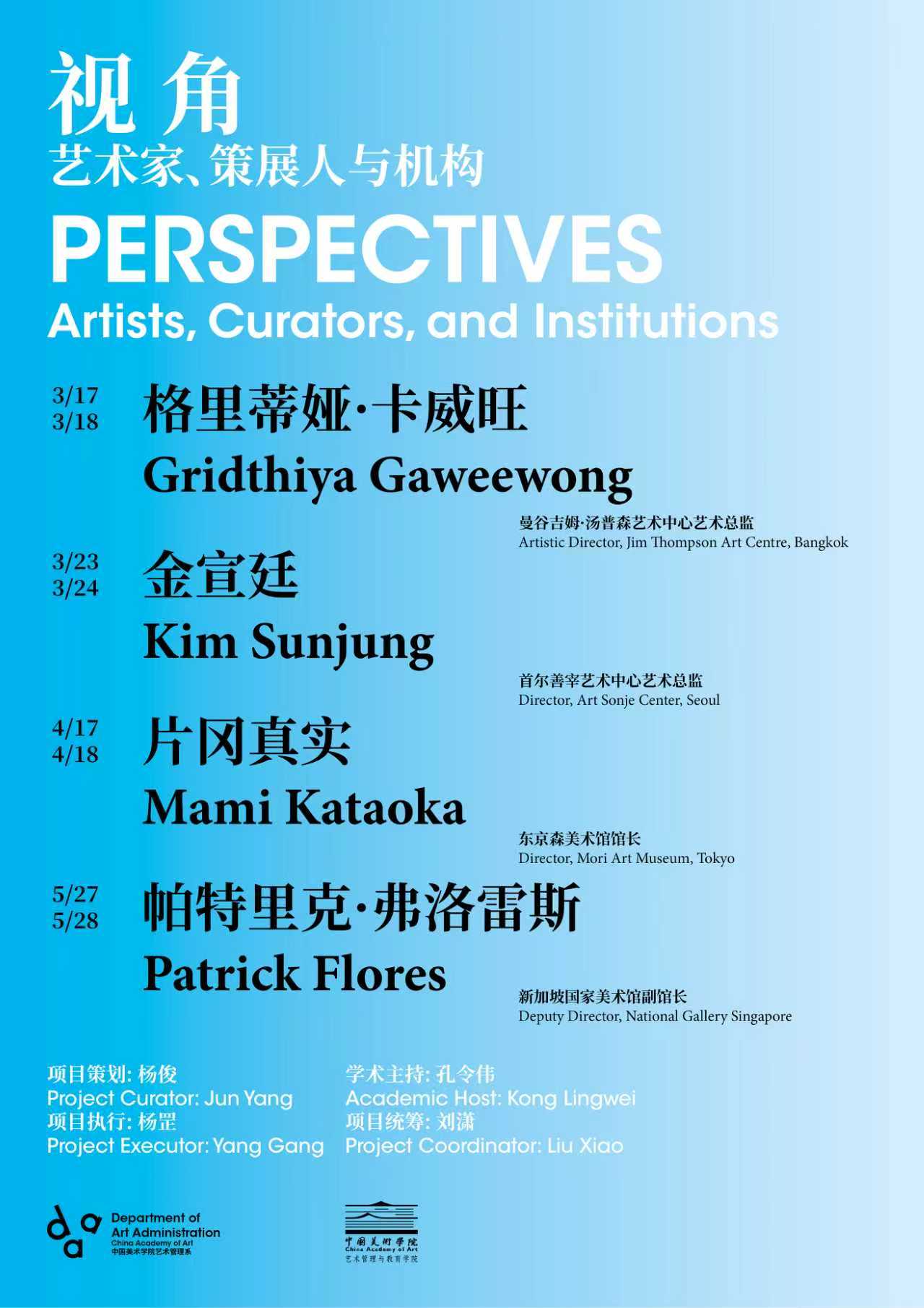
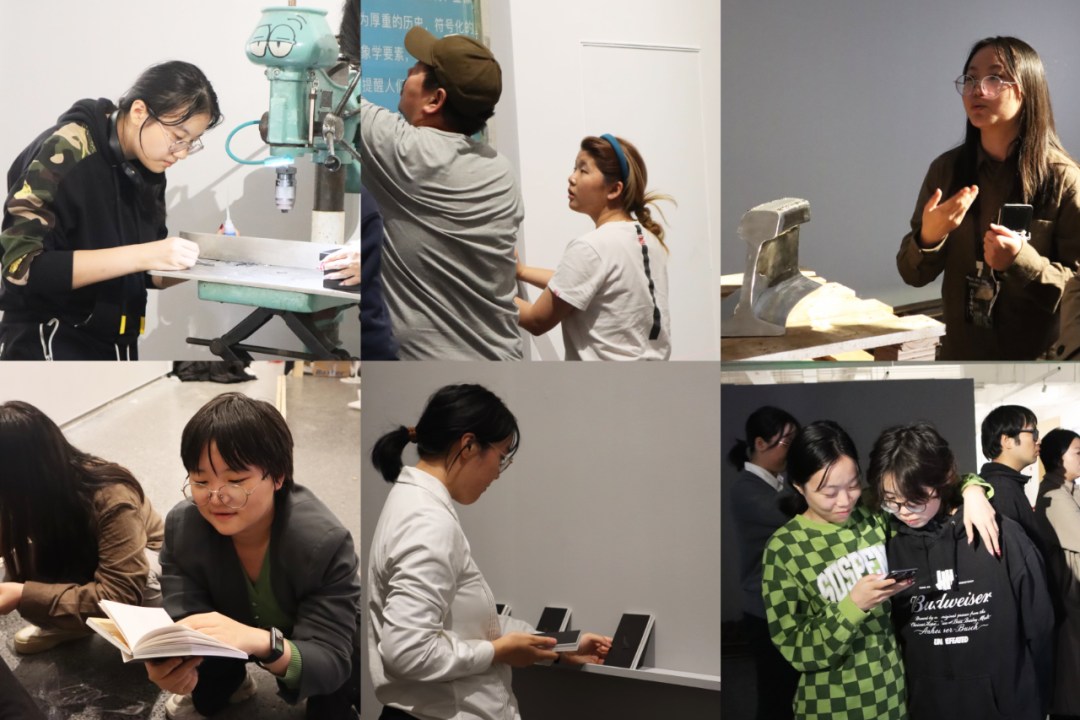
This core practice course bridges academic study and professional experience through a dual-mentorship model combining faculty and institutional supervisors. Working on real projects with partner art organizations, students participate in exhibition planning, collection management, public engagement, media communication, and other professional activities. Through rotational placements, on-site mentoring, and case reviews, they develop practical skills in institutional operations, collaboration, and audience engagement. Emphasizing learning through practice, the course enables students to apply classroom knowledge in professional contexts. It concludes with an institutional practice report and graduation essay, preparing students for careers in the arts and cultural sector.
Education Level: Undergraduate
Course Images


Artist Identity Construction: In the Perspective of Art Administration and Education
This course equips art management practitioners with the methodological framework to reconstruct the biographical narratives of artists, particularly those with limited existing documentation. Students will learn to synthesize data from digital repositories, oral histories, and primary sources to compile rigorous, evidence-based chronologies. The course fosters an acute "research problem-awareness," training students to navigate the validity of open-source information while developing the critical acumen required for rigorous academic judgment. By framing individual artist identity as a critical lens, students will gain profound insights into the hidden dimensions and emblematic significance of the era in which the individual lived.
Education Level: Graduate
Course Images