·Glass Casting III
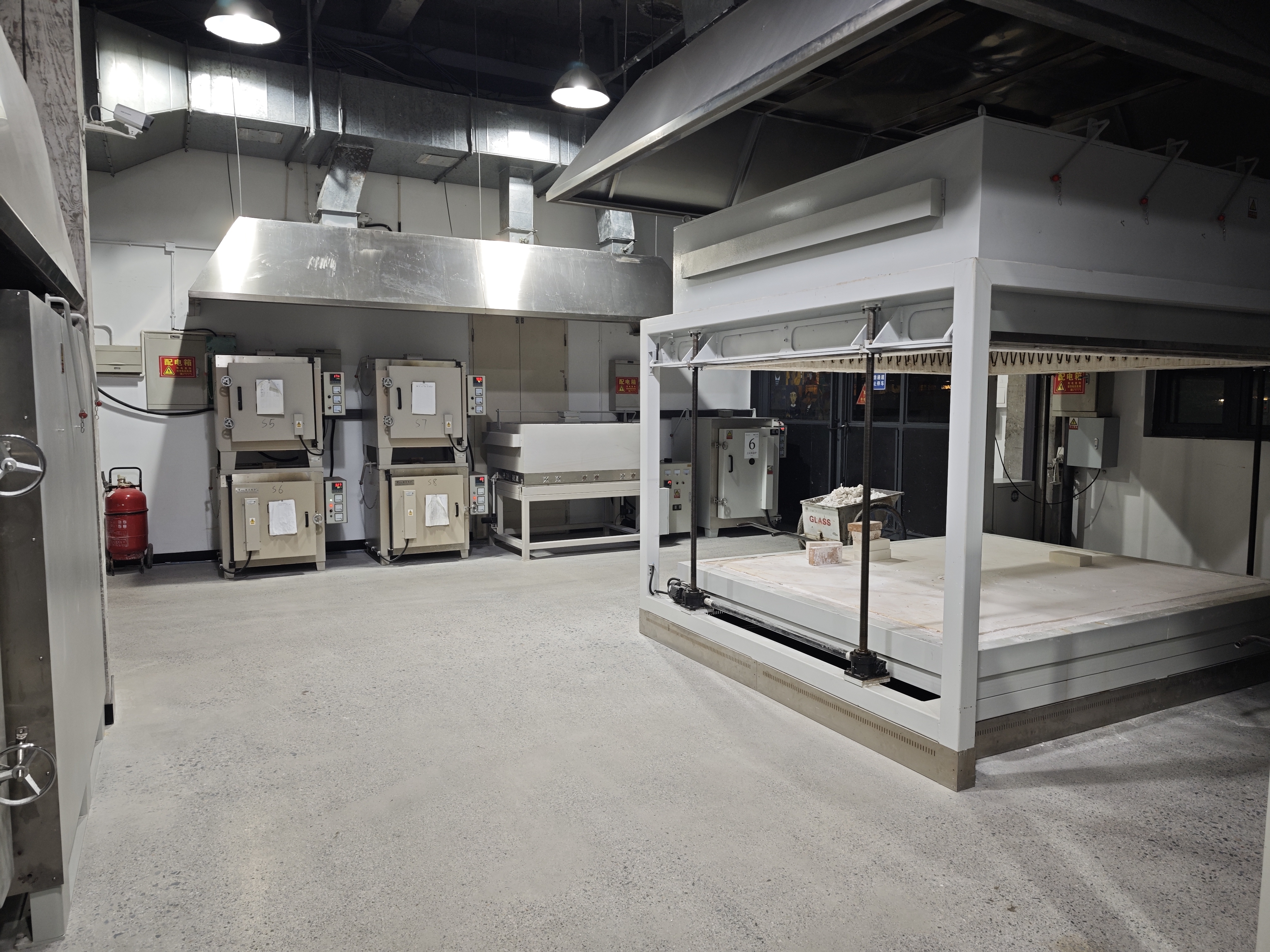
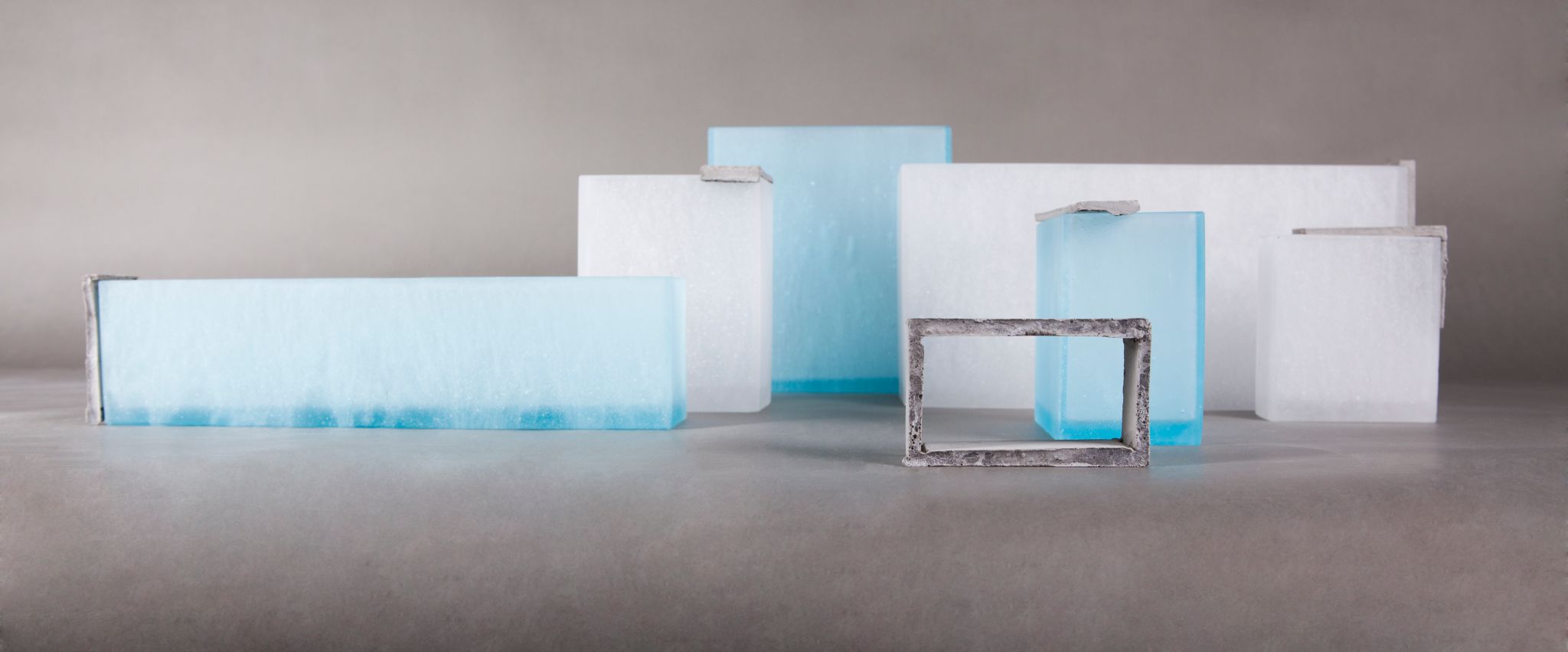
This course focuses on specialized instruction in glass casting, building upon the prerequisite Glass Casting I and II. It guides students to proficiently utilize casting techniques for professional art creation. The curriculum emphasizes color adaptation in glass casting and the visual control of melt-forming effects. Students are trained to precisely manage raw material states and temperature variables throughout the entire process of firing, melting, cooling, and annealing. Through hands-on practical training, the course strengthens students' multi-dimensional spatial modeling skills while cultivating both artistic creativity and kiln operation techniques. This helps students solidify their casting foundation, achieving a synergy between technical craftsmanship and artistic expression, and supporting their independent creation of original glass artworks in the future.


·Glass Material Experimentation
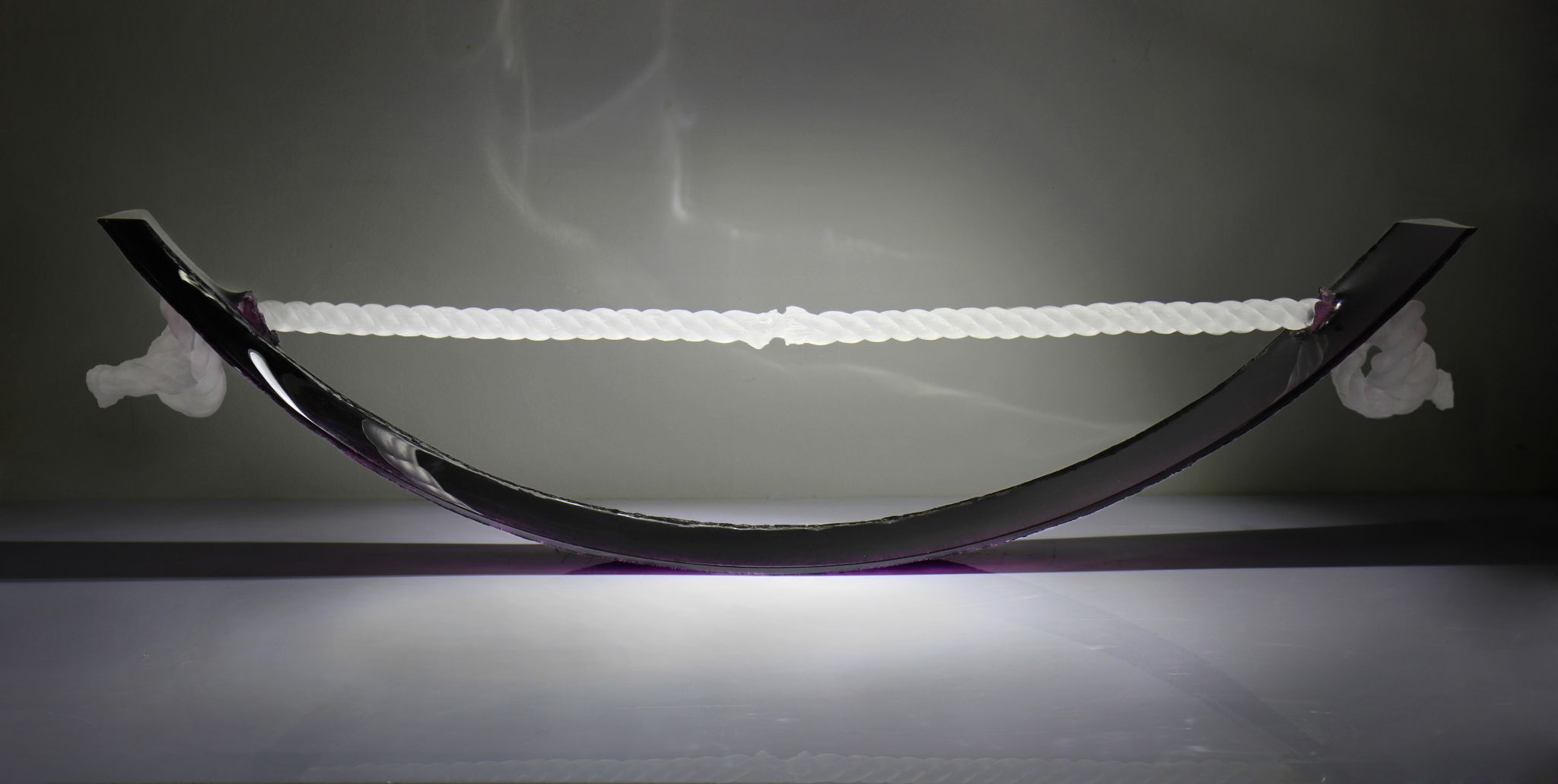
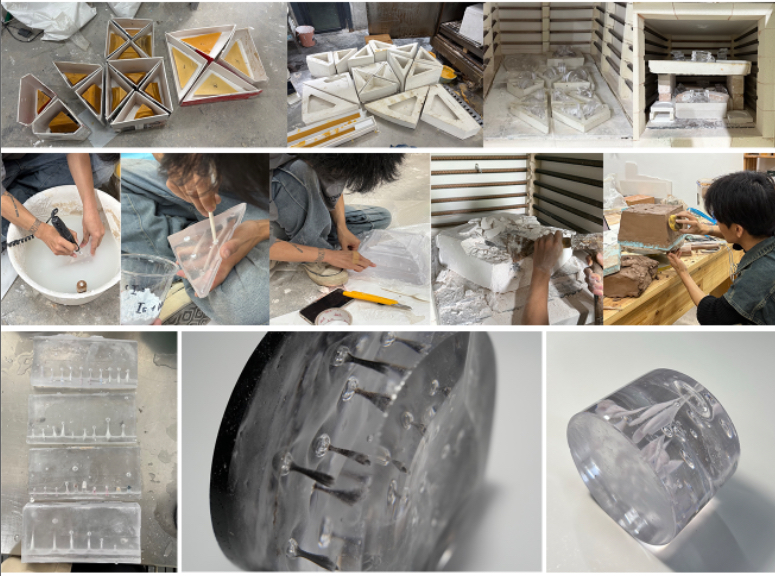
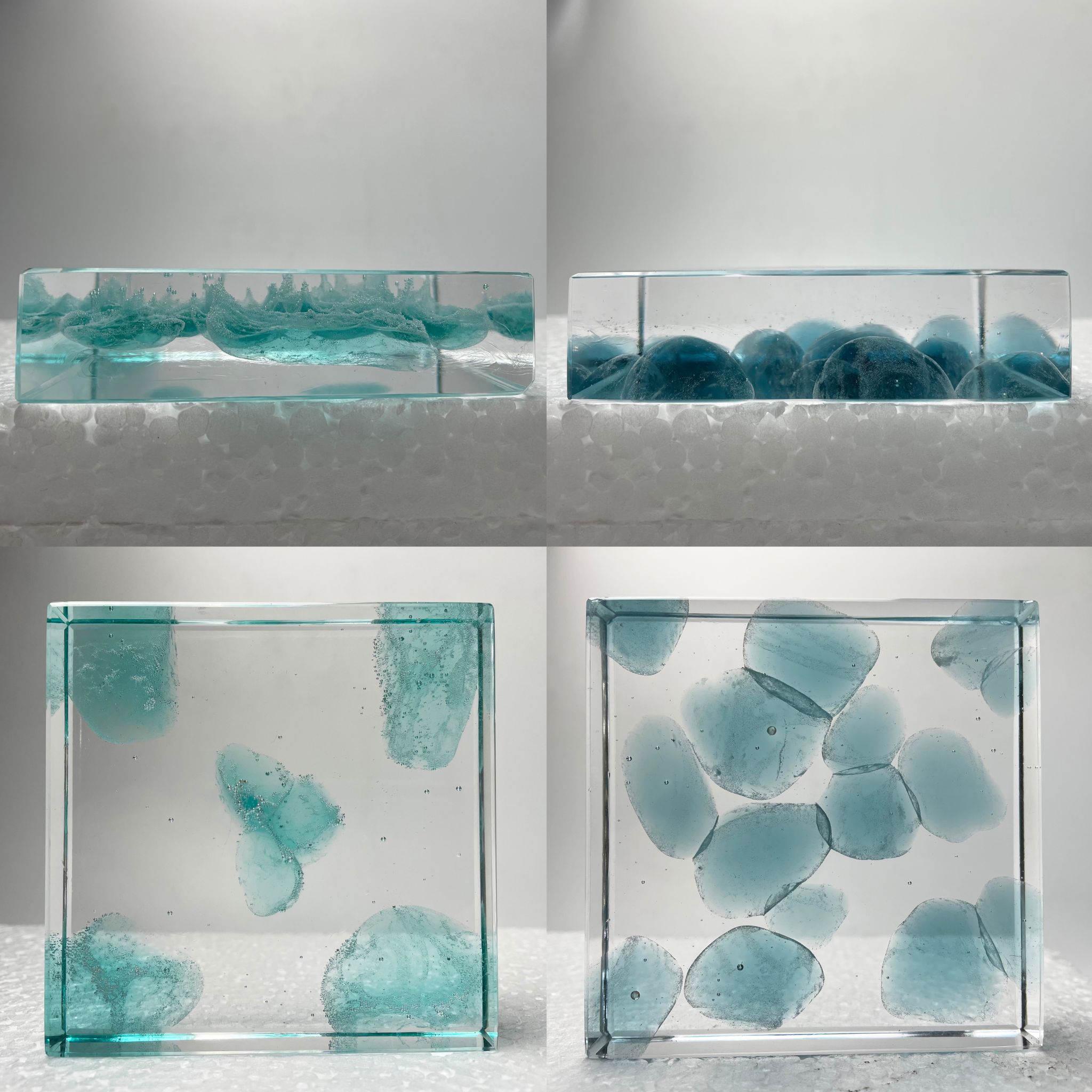
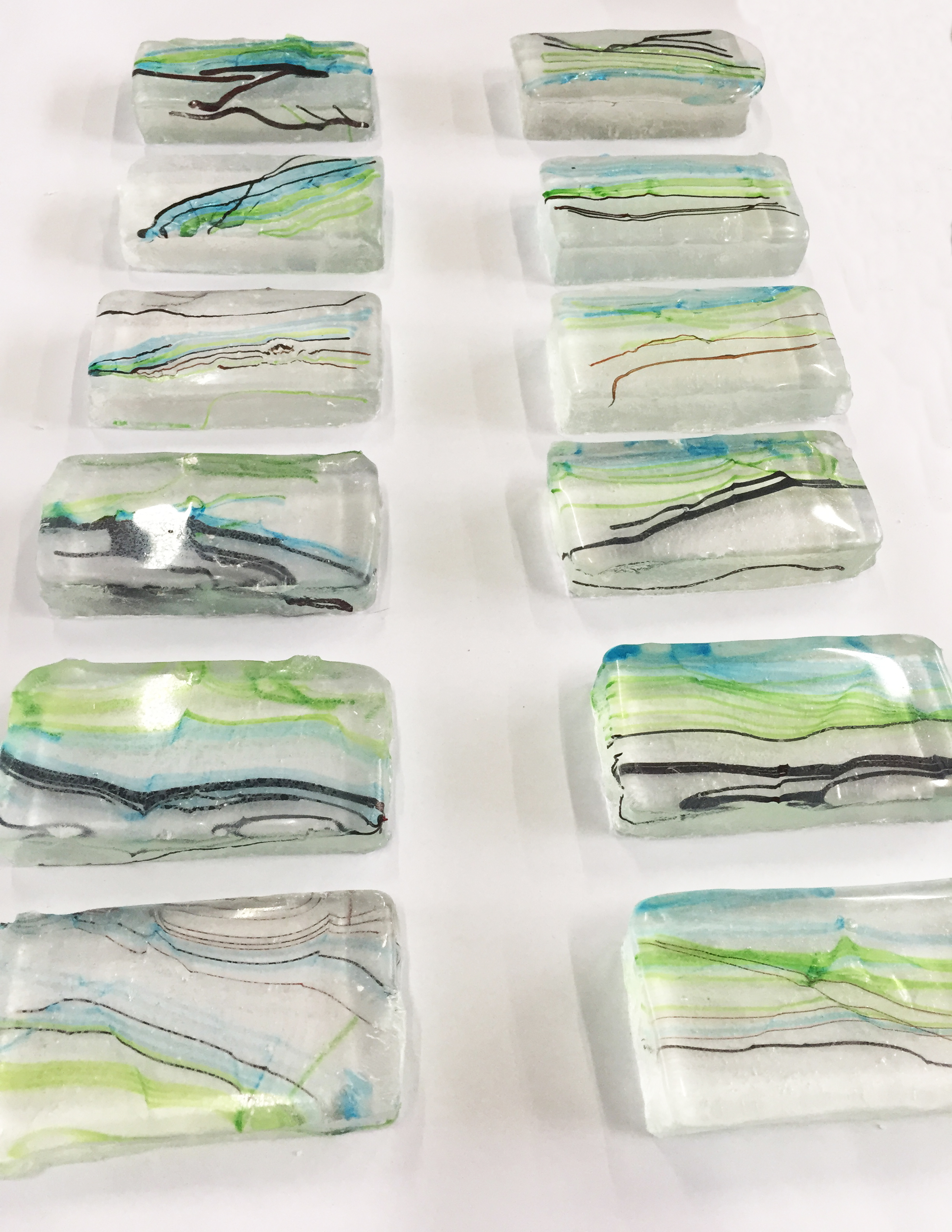
As a core foundational course, this module covers three main areas: basic glass material theory, practical material experimentation, and the organization and analysis of experimental data. It also encourages exploratory research and creative inspiration based on the experimental data. The course aims to systematically equip students with scientific experimentation protocols and research methods for glass materials. By analyzing objective experimental data to understand the laws of physical property changes, students are guided to explore new glass modeling languages from the perspective of material experiments. This bridges the gap between material physics and artistic form, laying a solid research foundation for future specialized craft learning and original art creation.


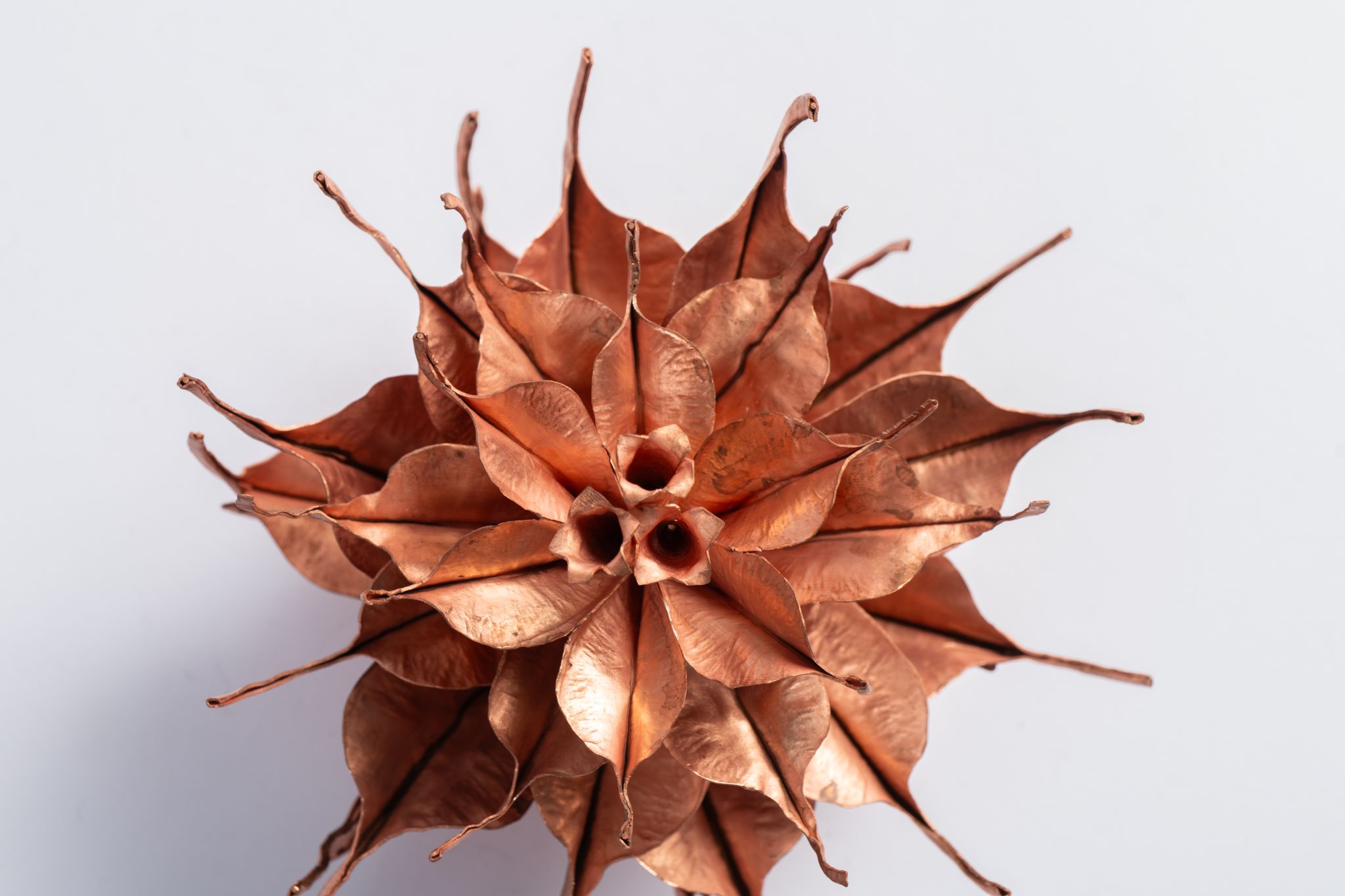
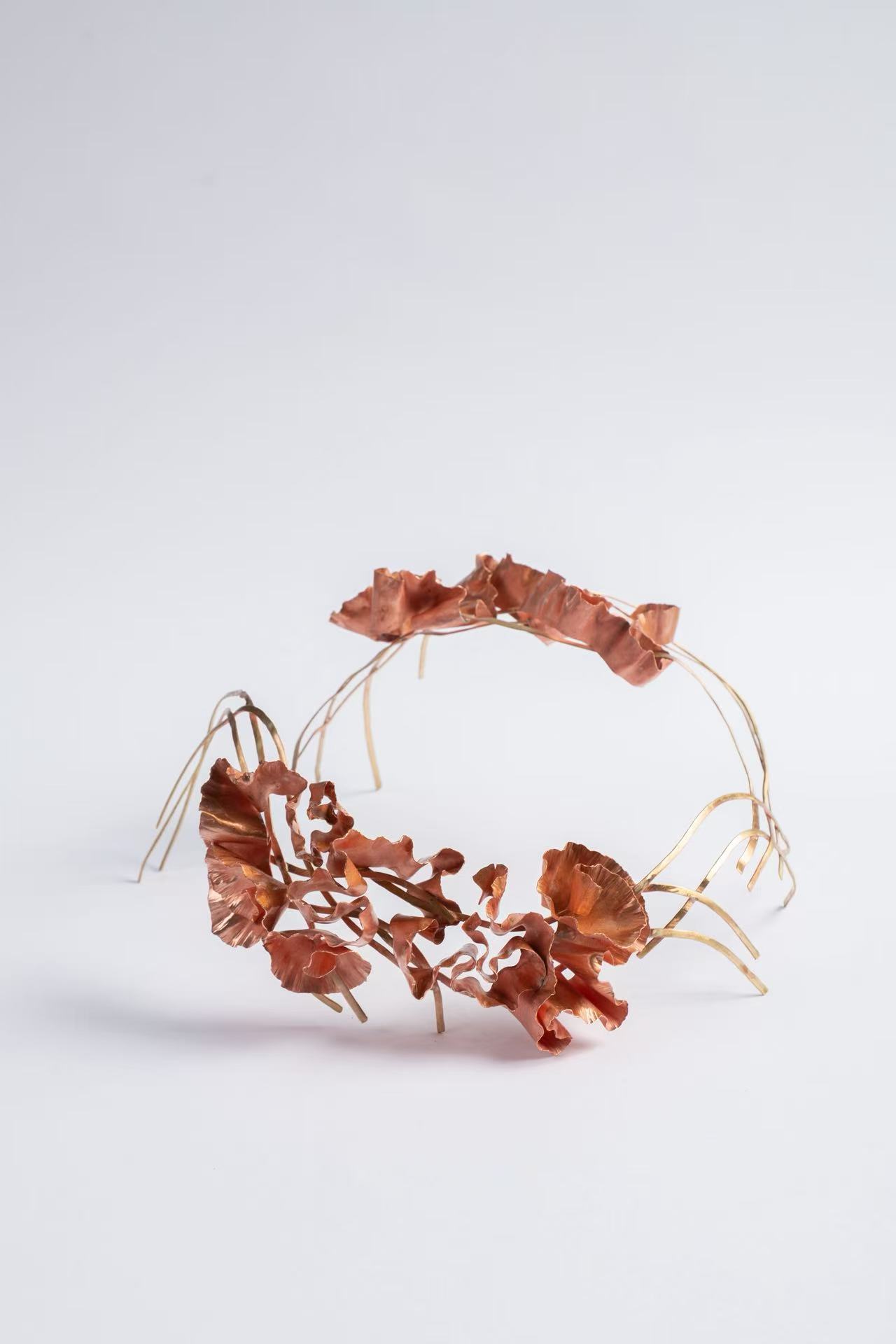
·Metalsmithing III (Forging Techniques)
Centered on the experimental exploration in metalsmithing modeling, this course focuses on the inherent properties and forming principles of metal materials, delivering progressive training in professional metal techniques and three-dimensional modeling creation. It empowers students to develop capabilities in three-dimensional form building and consolidate their core craftsmanship skills. Based on the accumulation of aesthetic perception, the course enables students to master the expressive principles of metal materials and systematic visual language. Through thematic creation, experimental iteration and form refinement, students accomplish the transformation from two-dimensional conceptual design to three-dimensional solid works, producing pieces that integrate artistic expression and practical functionality. The course ultimately cultivates students’ comprehensive professional competence covering creative conception and hands-on implementation.


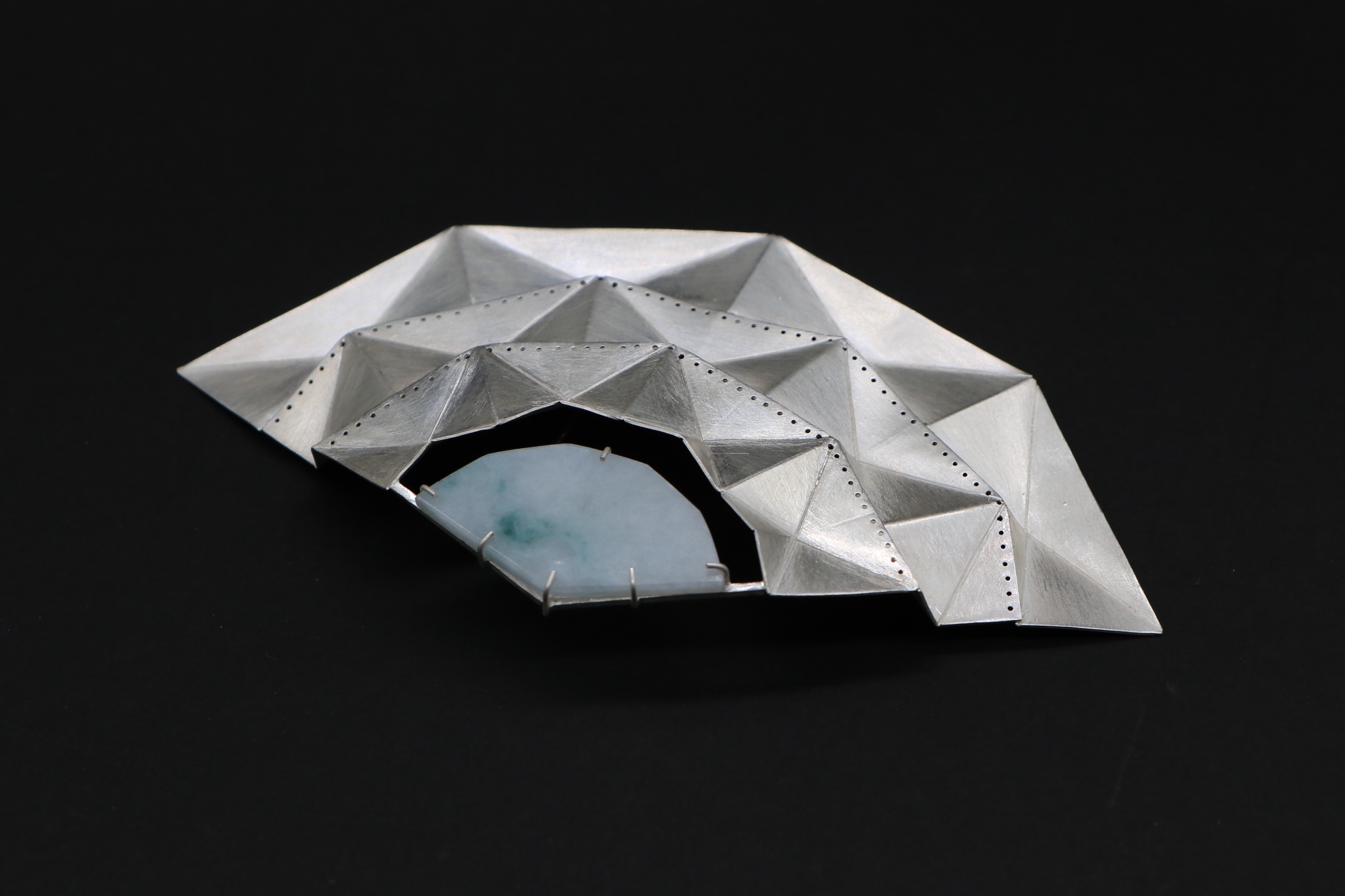
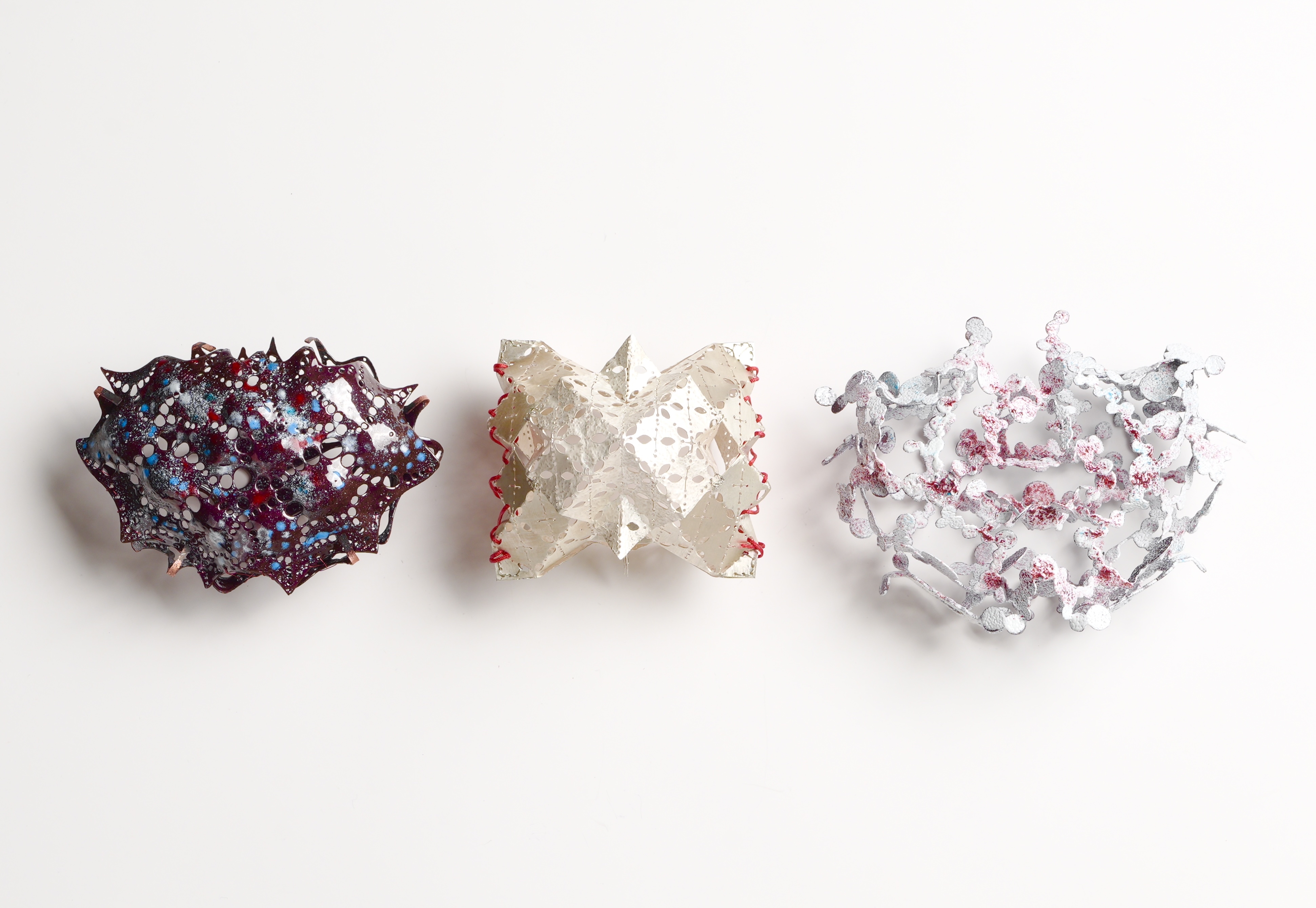
·Metalsmithing IV (Folding Techniques)
This course explores the interdisciplinary integration of traditional paper art and metal folding techniques, centered on traditional craftsmanship, artisan ethos, and the core connotations of Oriental aesthetics. Built upon five progressive teaching modules — paper perception, paper conceptualization, paper folding, layered stacking, and craft refinement — the course leads students through material exploration, technical experimentation, and creative creation, fostering an in-depth comprehension of the inherent logic and cultural implications of traditional craft practices. Upholding the philosophy of aesthetic education, the course embeds Oriental aesthetic concepts throughout the entire teaching process. It focuses on cultivating students’ abilities to interpret traditional crafts, work with diverse materials, and revitalize traditional techniques through innovative thinking. The course guides students to bring an Oriental artistic perspective to the contemporary reinvention of traditional crafts.


·Basics of Lacquer Craft
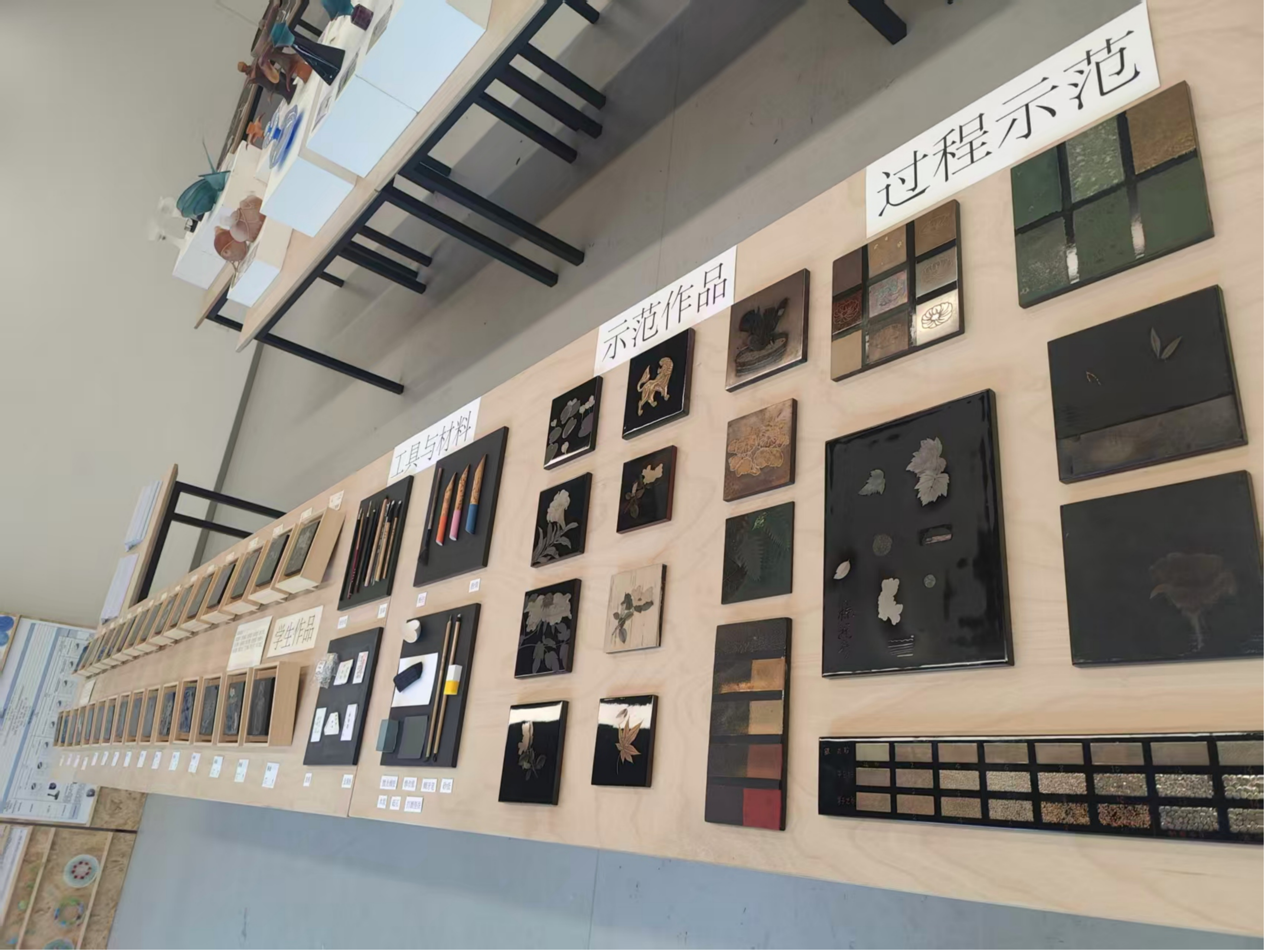
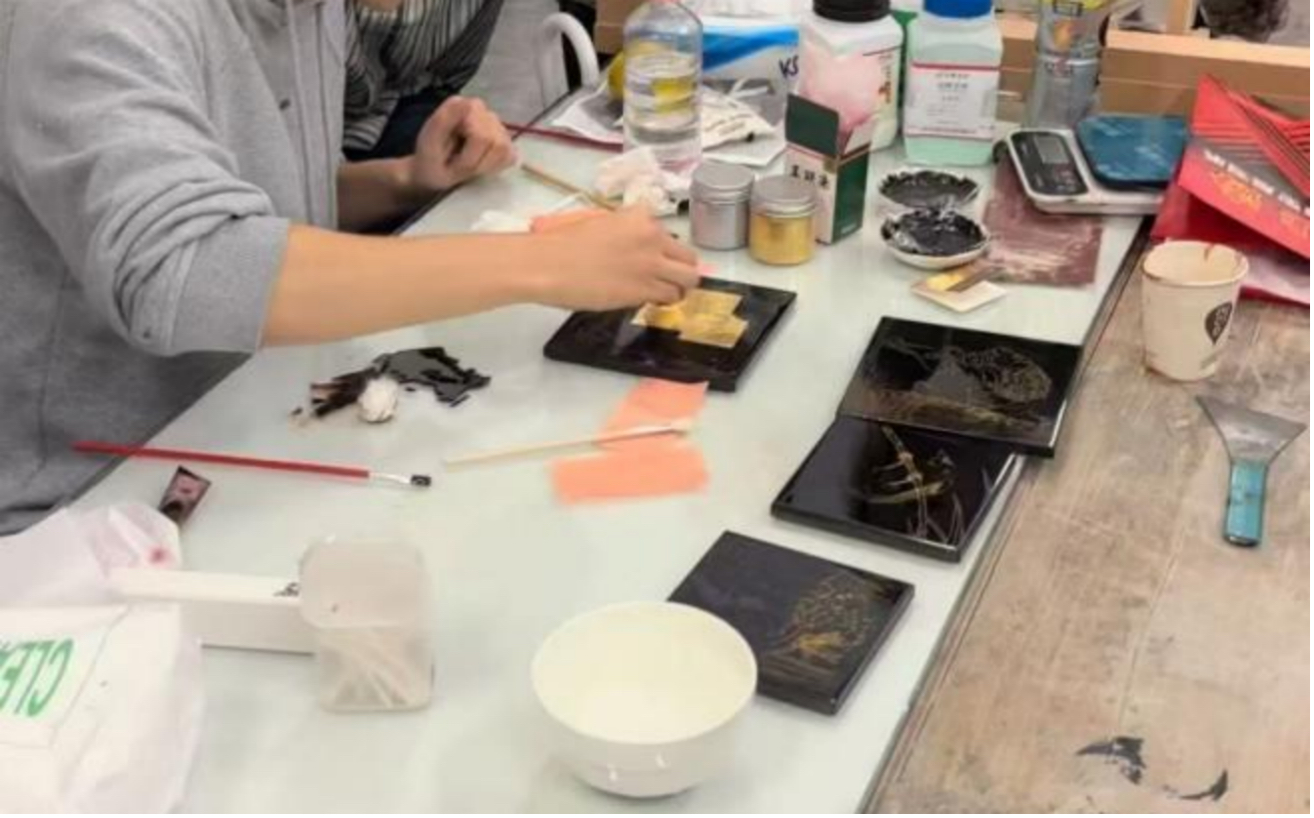
An introductory required course for lacquer art majors, Basics of Lacquer Craft focuses on in-depth understanding of natural lacquer materials and mastery of basic craftsmanship. Students learn the molecular structure, drying principles, origins, and material identification methods of lacquer, and practice professional tool making, raw lacquer refinement, colour lacquer preparation, and core techniques for lacquer board production including cloth mounting, ash application, and lacquer coating. The course establishes students' systematic understanding of lacquer material properties and solid grounding in craft operation, cultivating an artisan spirit of perseverance and excellence, and laying the technical and cognitive foundation for subsequent professional courses.


·Lacquer Craftsmanship I (Zhangxiu + Duisu)
This course systematically teaches two core techniques of Chinese traditional lacquer decoration: Zhangxiu and Duisu. Through theoretical study and extensive practical operation, students master the textural language of Zhangxiu and the three-dimensional expression of Duisu, completing multiple practical technique boards. The course enables students to gain thorough understanding of the decorative language and aesthetic characteristics of traditional lacquer craftsmanship, while cultivating precision craftsmanship, material expression, and innovative thinking. Through practice, students inherit the cultural traditions of lacquer decoration techniques and develop independent artistic creation concepts.