Studio I: Calligraphy, Painting and Literati Objects Conservation
Core Courses
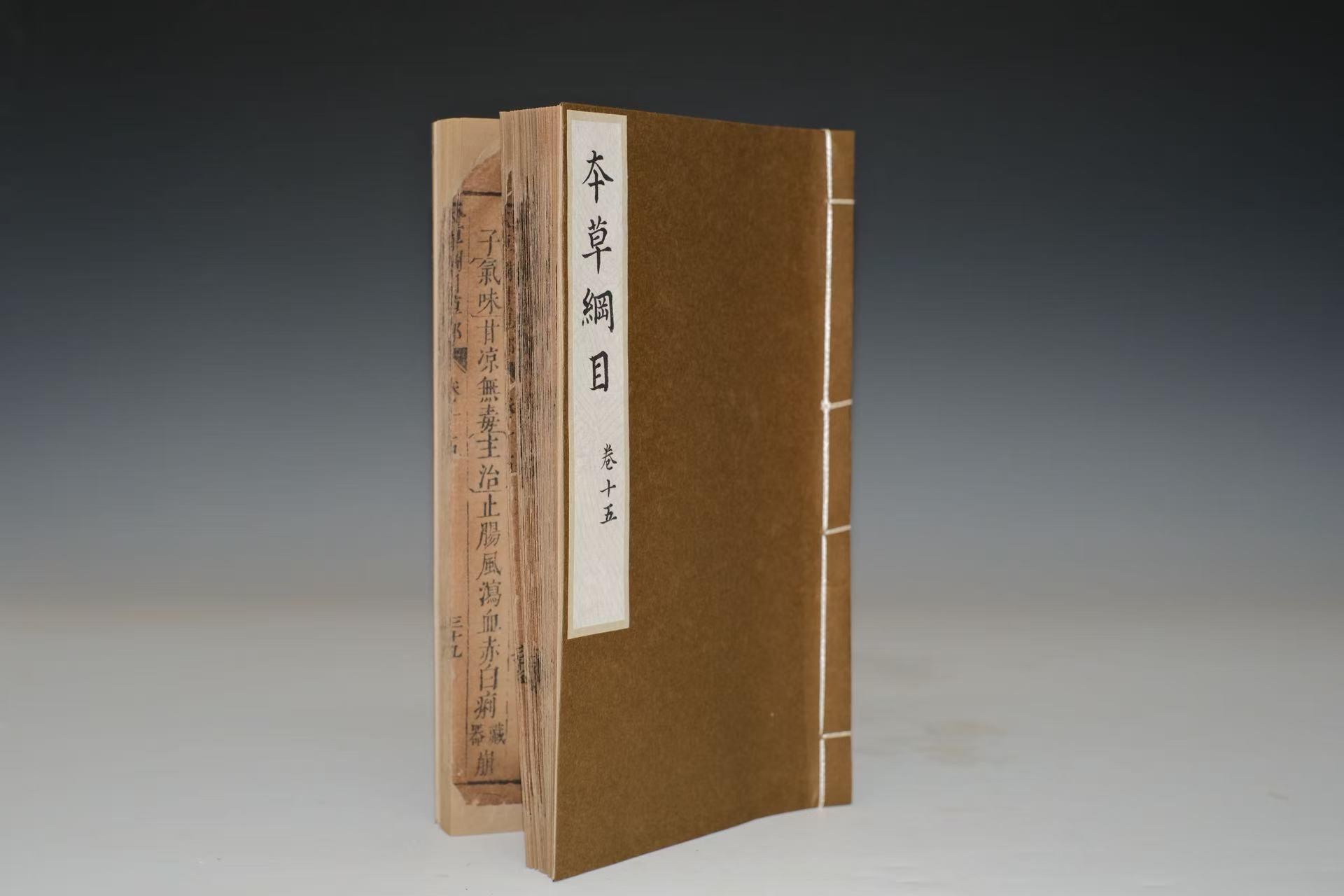
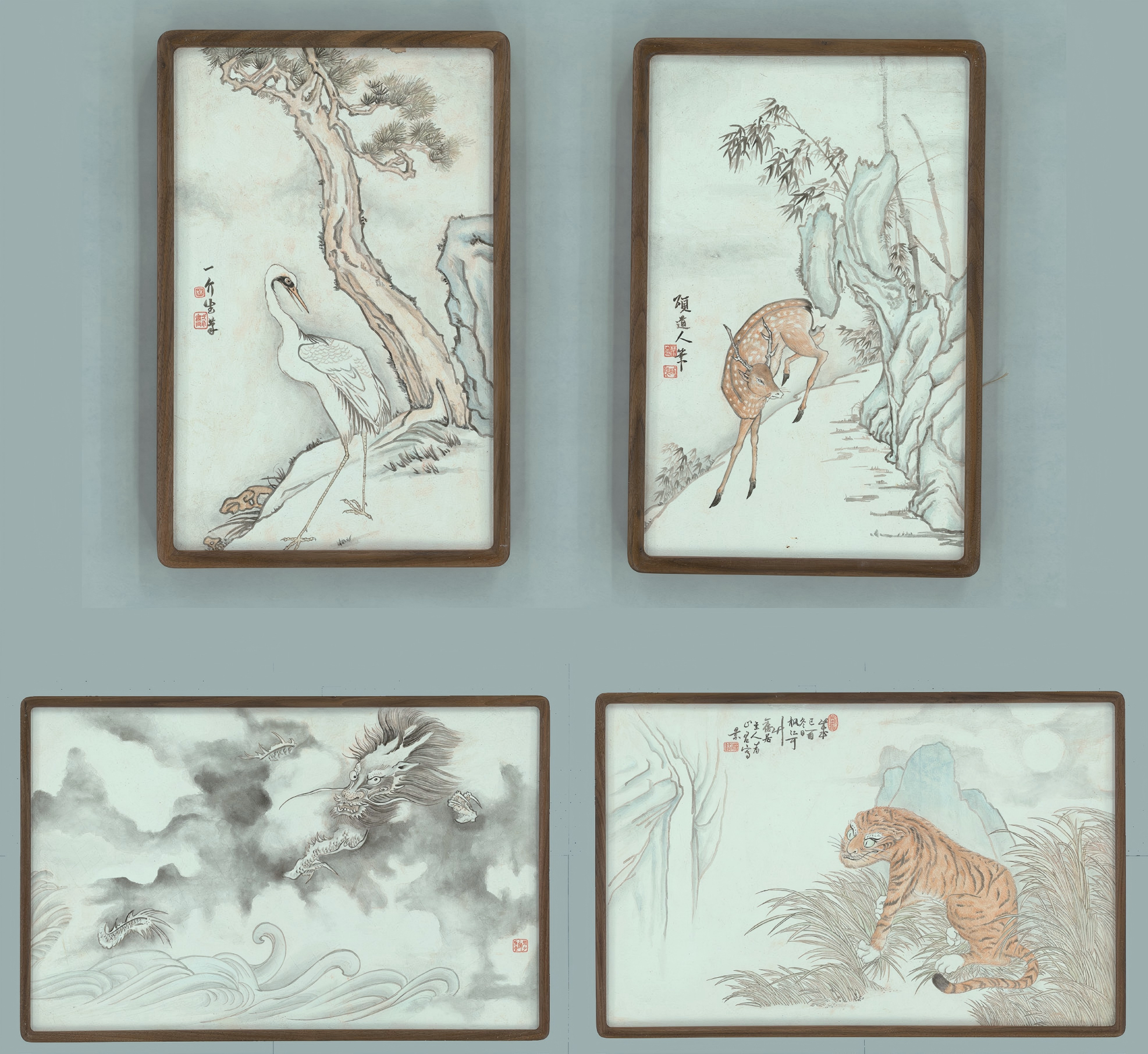
·Traditional Handmade Paper and Paper Artifact Restoration
This course integrates foundational knowledge of traditional handmade paper and paper artifact conservation, guiding students to master conservation techniques through both theoretical study and hands-on practice. Students are expected to develop a comprehensive understanding of the conservation of traditional Chinese paper artifacts—from the production processes of handmade paper to the distinctive paper characteristics of different types of artifacts—along with the specific conservation methods for each. The course lays a solid foundation for cultivating versatile professionals in cultural heritage conservation and restoration.
Level: Undergraduate


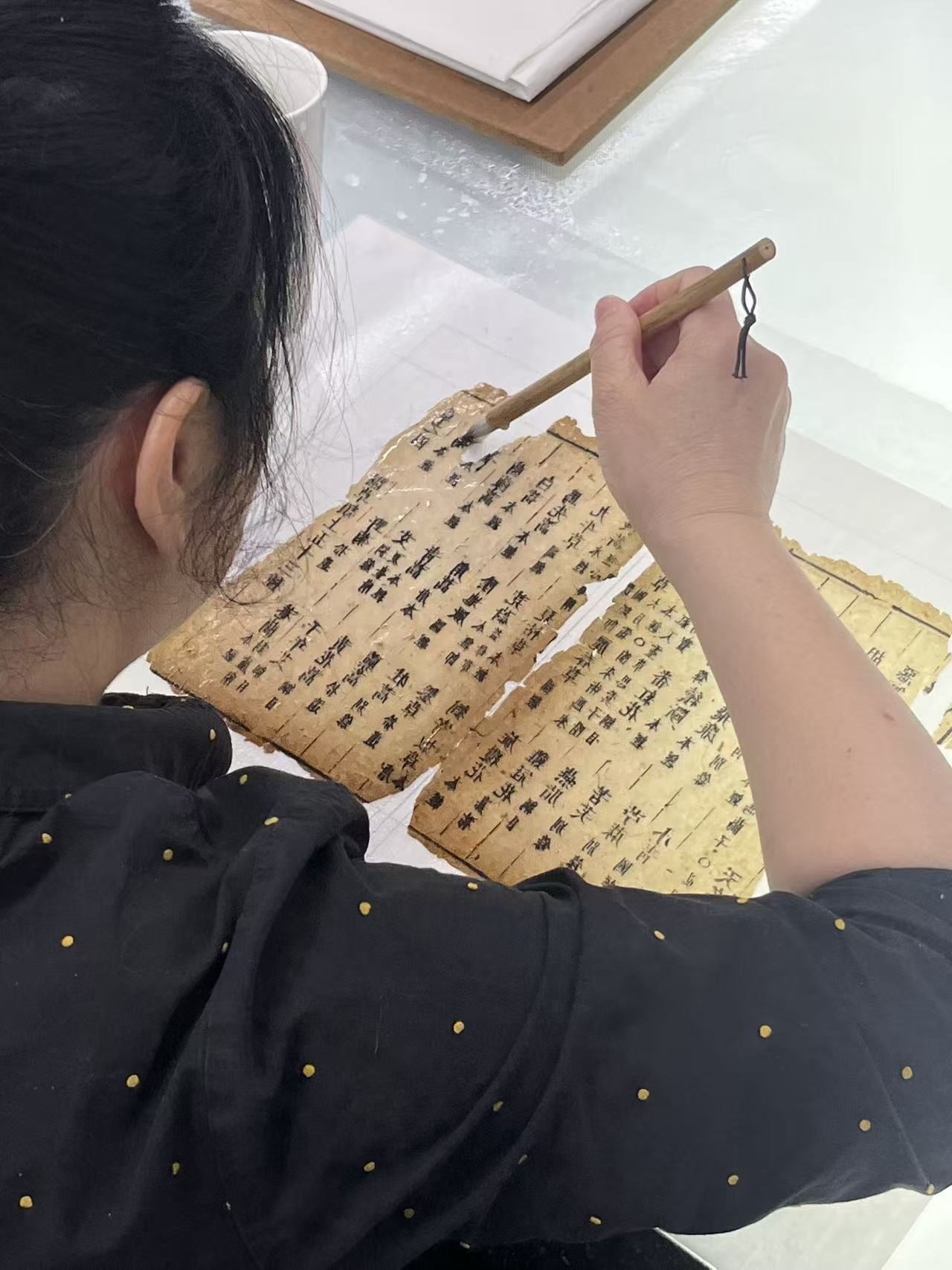


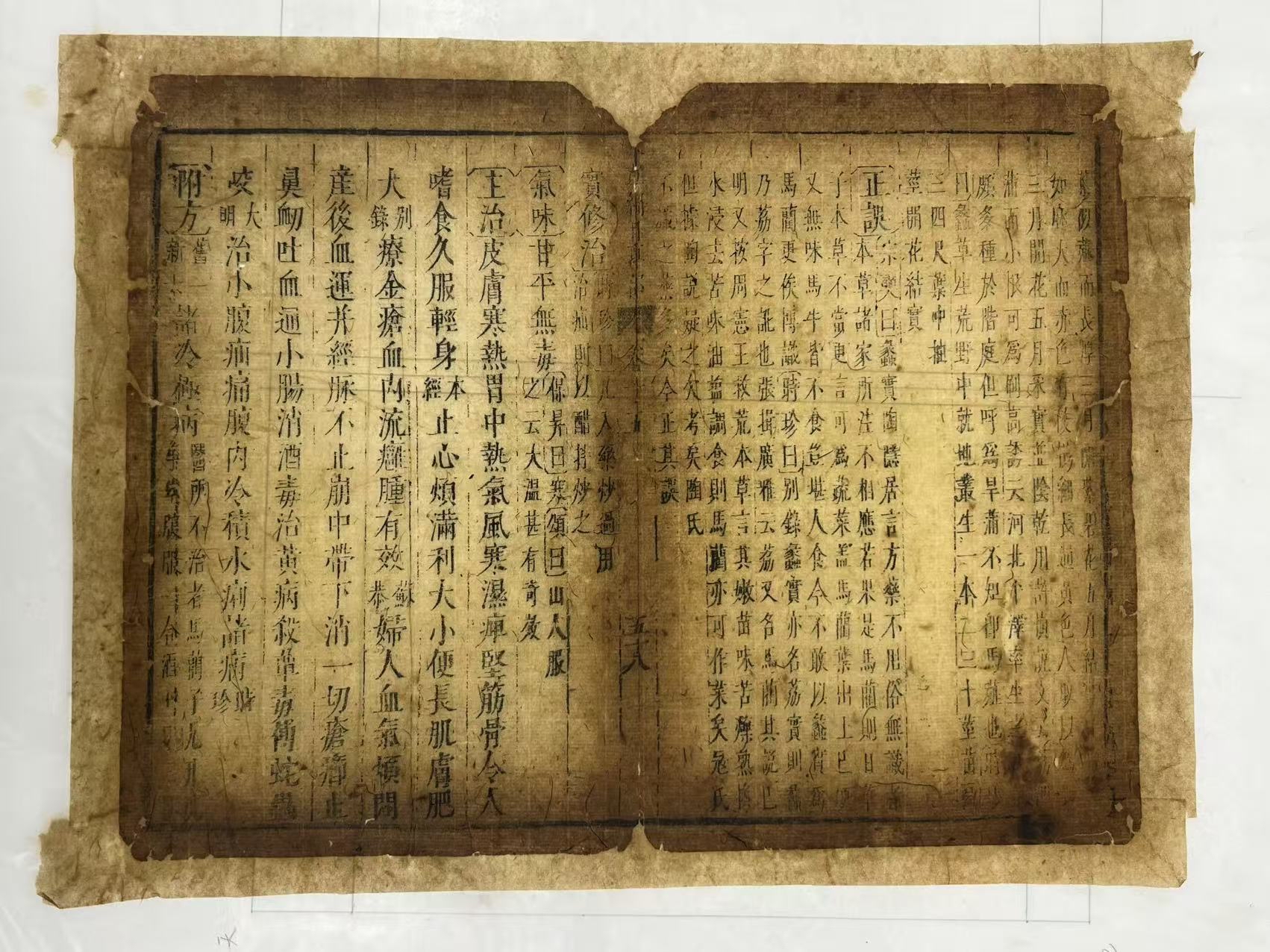
Student Works:

·Mural Appreciation and Restoration
This course covers China's two principal mural traditions—earthen-ground murals in Northern China and frescoes (buon frescoes) in Southern China—through their full conservation lifecycle. The first phase constructs a theoretical framework from theory, material, and modelling. Building on this theoretical grounding—across art historical understanding, material properties, and formal analysis—students engage in hands-on conservation practice. The second half integrates theory with practice, cultivating students' comprehensive professional competencies in mural appreciation, condition assessment, traditional craft production, and the restoration of historic murals.
Student Works:


·Artifacts Appreciation and Restoration
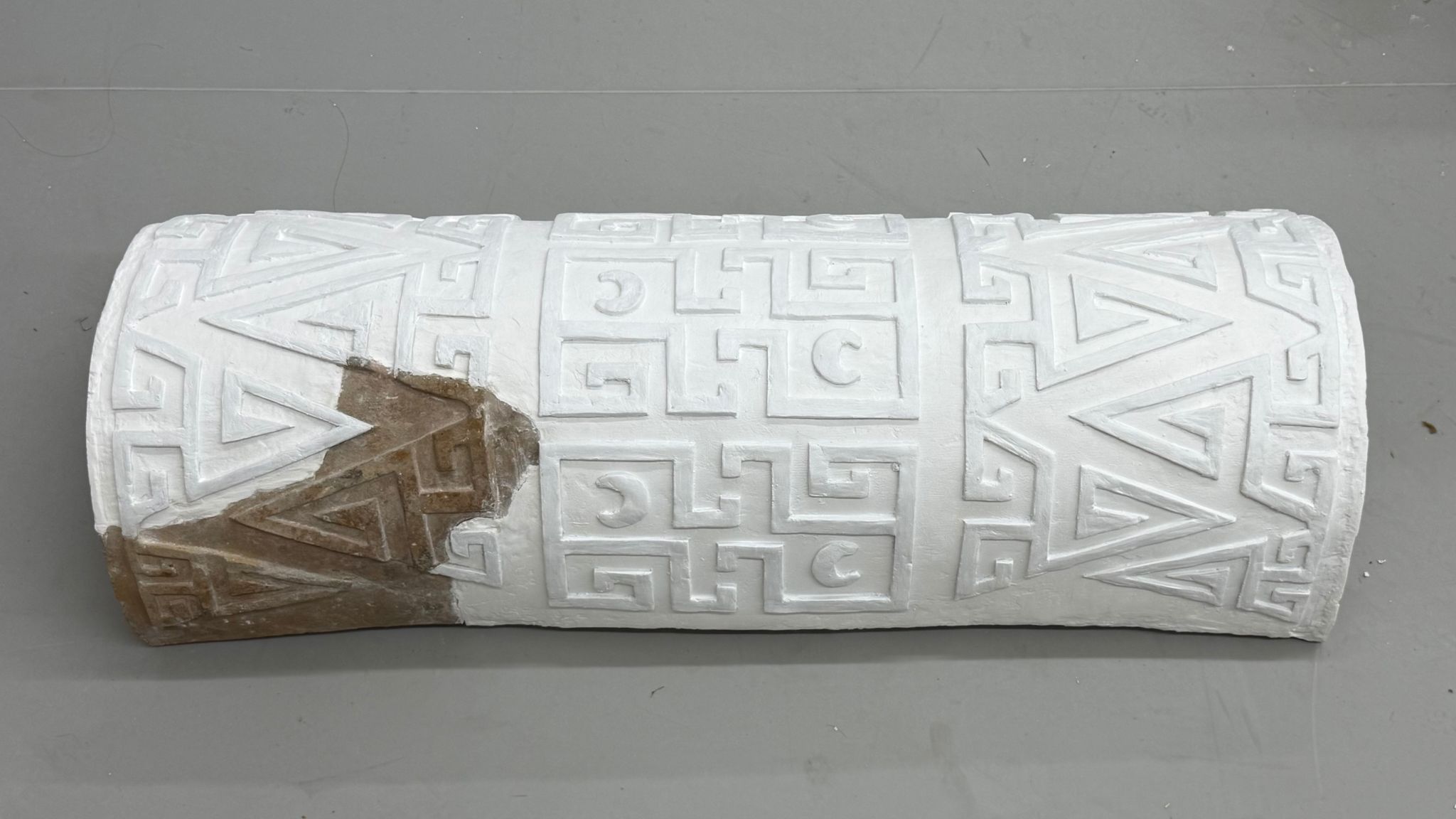
This course centers on the forming principles of traditional crafts and conservation practice, building a dual-track teaching system that equally emphasizes theory and technique. Students systematically study the historical development, authentication methods, and condition analysis of cultural objects. Through the preparation of conservation proposals, reconstruction of fragments, and documentation in conservation reports, they develop mastery of core conservation techniques—including cleaning, consolidation, and retouching. The course cultivates a rigorous scientific approach and practical skills, achieving a deep integration of traditional craftsmanship and modern conservation principles.
Level: Undergraduate
Student Works:


·Studio II: Sculptures and Artifacts Conservation
·Archaeological Illustration
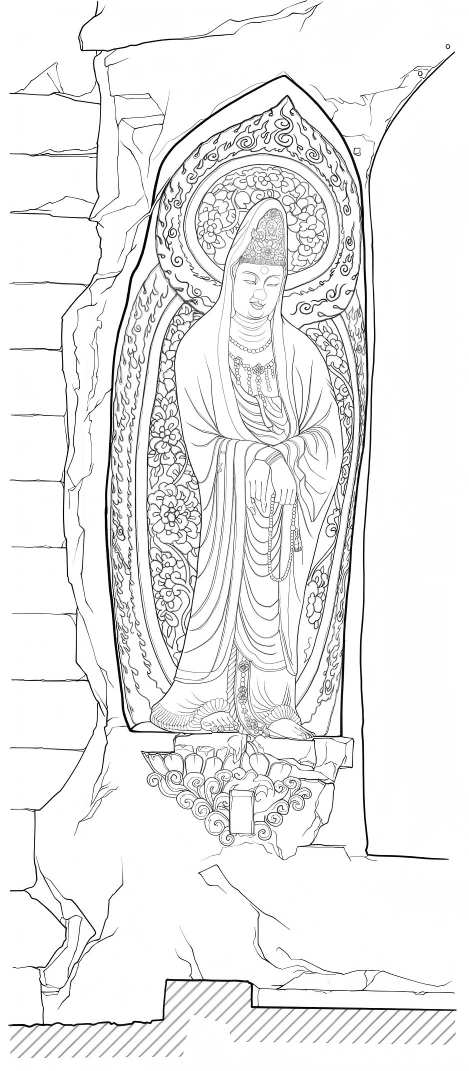
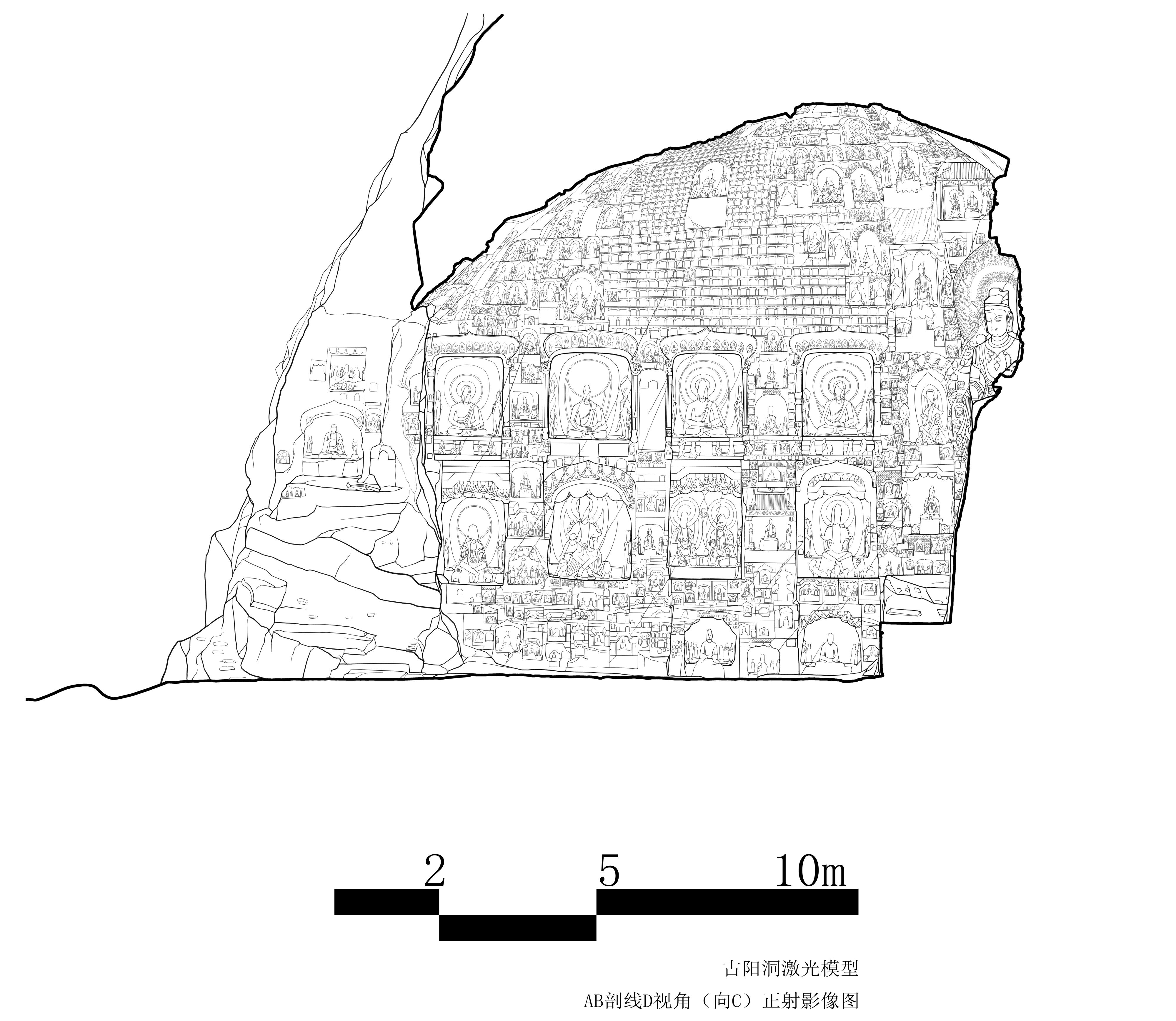
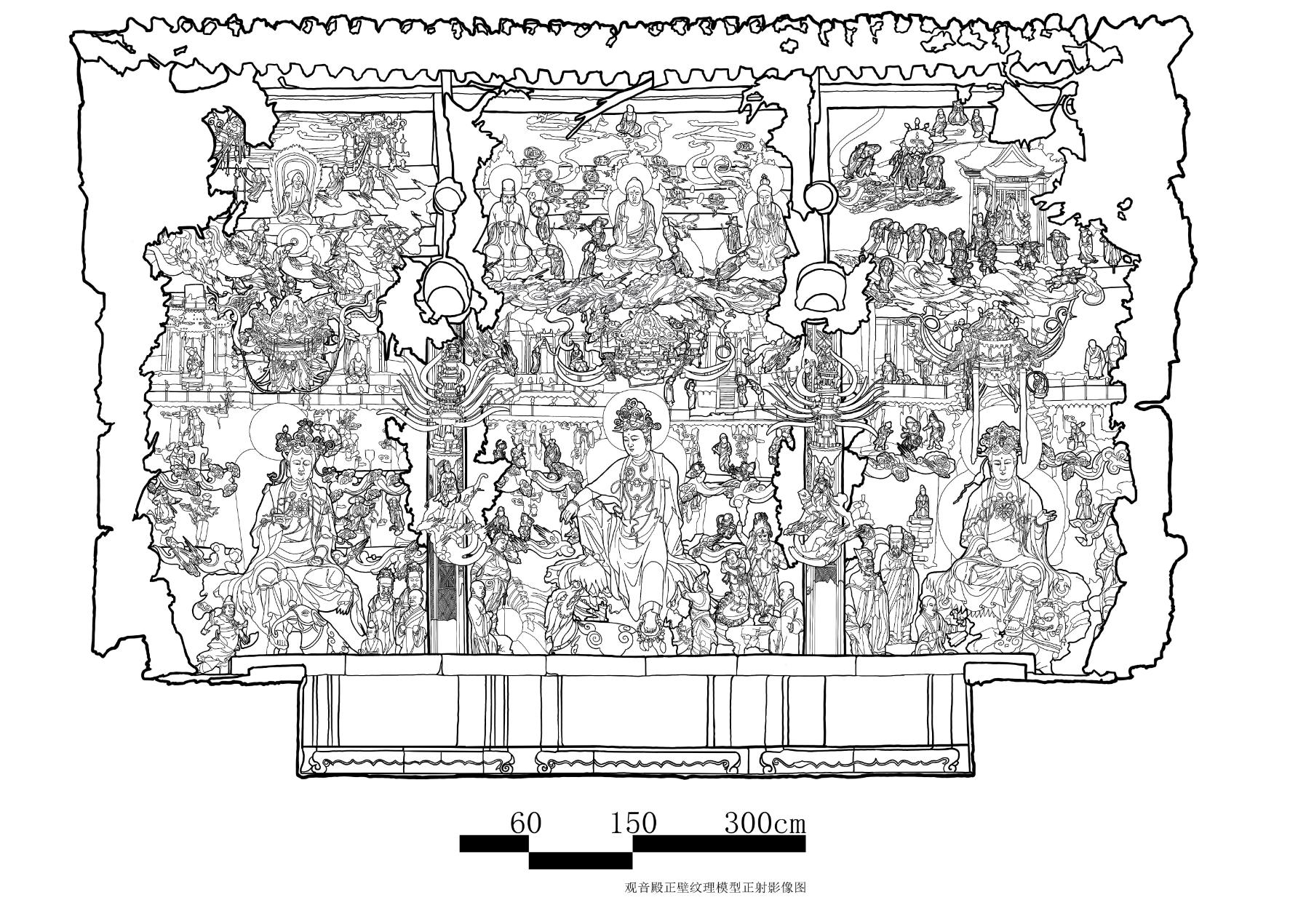
This core module at the intersection of archaeology and fine arts trains students to document and interpret archaeological remains through precise graphic language. The curriculum covers the principles of archaeological illustration, the history of the discipline, contemporary documentation techniques, and methodologies for craft reconstruction and visual restoration derived from material observation. The pedagogy stresses a cognitive cycle of observation, comprehension, and translation: students are trained to apply scientific observation methods to interpret the formal attributes, manufacturing traces, and spatial relationships of artifacts and sites, and to accurately translate three-dimensional material information into two-dimensional scholarly images through standardized graphic conventions.
Level: Undergraduate
Student Works:


·Ceramic Appreciation and Restoration
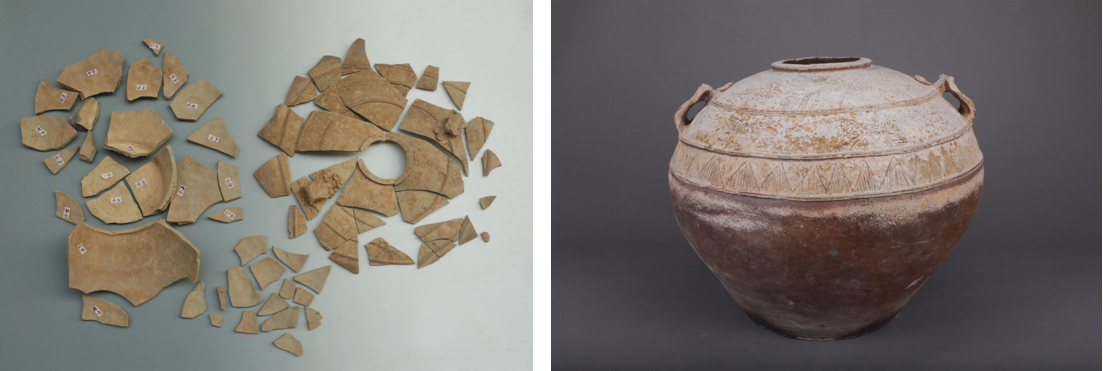
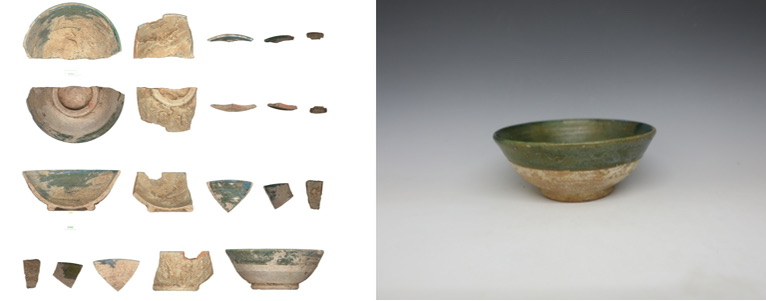
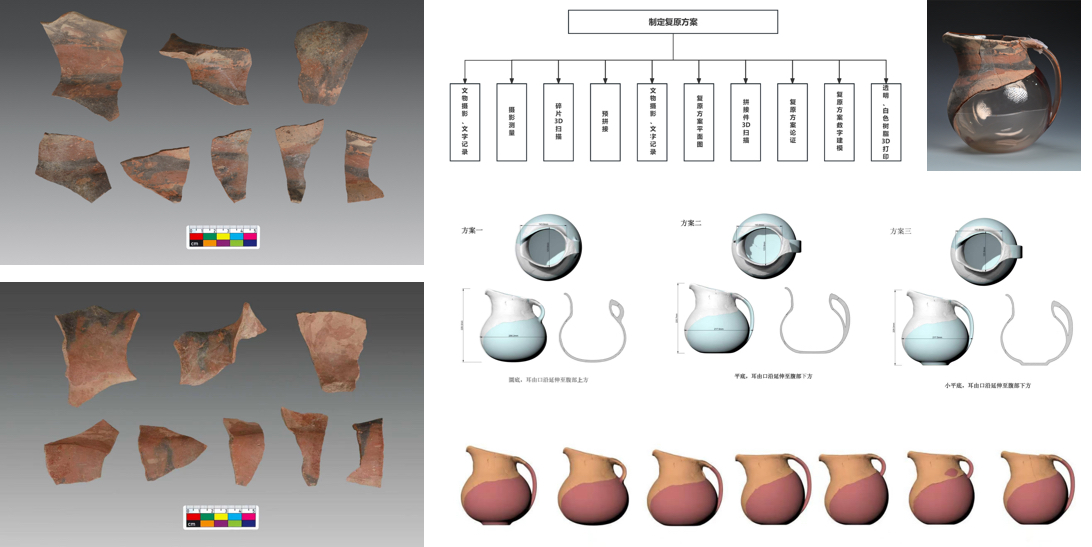
This course builds a dual-track teaching system that equally emphasizes theory and technique, guiding students progressively through the complete process of ceramic restoration. Students develop an in-depth understanding of ceramic forming principles, authentication methods, and condition analysis. Through the preparation of restoration proposals, hands-on reconstruction of fragments, and documentation in restoration reports, they master core restoration techniques—including cleaning, consolidation, and retouching. The course cultivates students' awareness of cultural heritage protection and practical skills, equipping them with the comprehensive competence for independent ceramic conservation, while honoring the craftsmanship and cultural heritage of Chinese ceramic traditions.
Level: Undergraduate
Student Works:
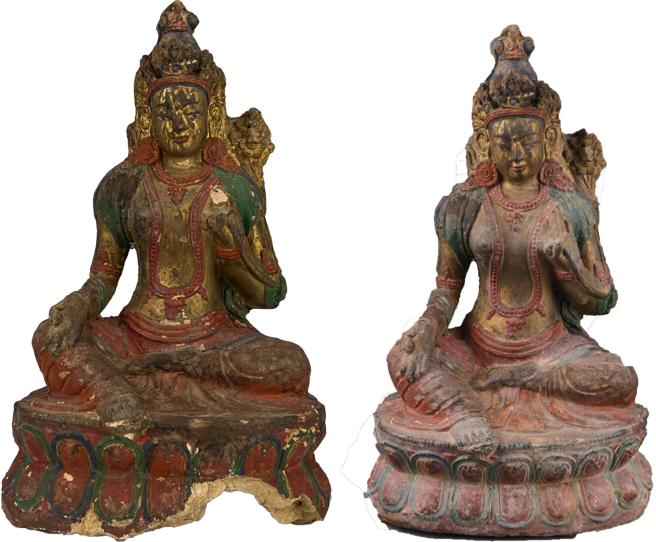
·Sculpture Appreciation and Restoration
This course centers on the art history and restoration practice of Buddhist sculpture, systematically tracing the stylistic evolution and aesthetic characteristics from Gandharan art in India to the Han Chinese and Tibetan Buddhist traditions. Drawing on canonical texts, notably the Zaoxiang Dulijing (Sanskrit: Pratima-Laksana; canonical guidelines for iconometric proportions), students develop iconographic analysis skills—interpreting hand gestures (mudras), attributes, and postures—to accurately identify the subject and dating of sculptures. The course emphasizes the integration of traditional craftsmanship with modern conservation principles, cultivating students' appreciation and restoration skills for sculptures in diverse materials—including stone, clay, and gilt bronze—while deepening their understanding of the significant role of Chinese thought in the localization of Buddhist art.
Level: Undergraduate
Student Works: