Directing Theory and Technique, Narrative Practice, Film Language, Documentary Production, Short Film Production
·Directing Theory and Techniques
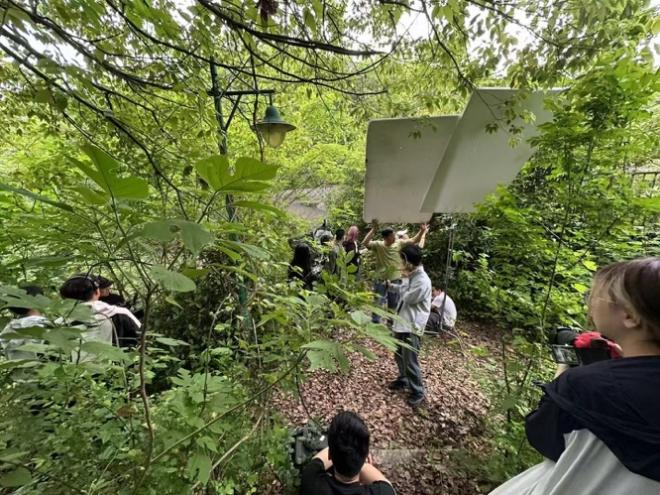
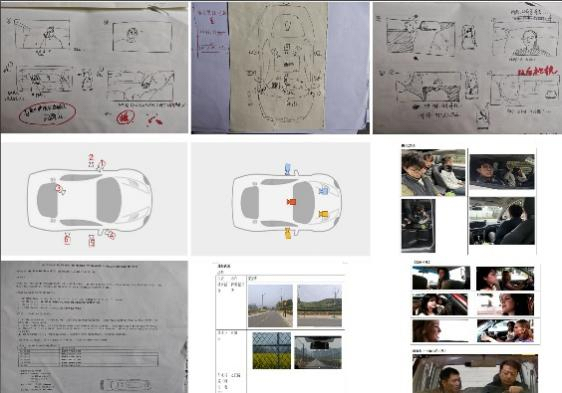
This foundational course is designed to develop students' directorial capabilities. In theoretical terms, it offers an in-depth analysis of key artistic movements in cinema, their representative figures, and their canonical works—allowing students to experience the diversity of cinematic aesthetics. By examining the formation of different creative approaches and their corresponding directorial methods and shooting styles, students are encouraged to reflect on their own creative direction and stylistic tendencies. These reflections are then brought into practice through the use of directorial tools and techniques—from concept development and mise-en-scène, to the conception and realization of an overall audiovisual style. As the director's vision evolves through each stage, students are guided to explore and construct their own creative voice.
Level::Undergraduate / Graduate
Course Images:

·Narrative Practice
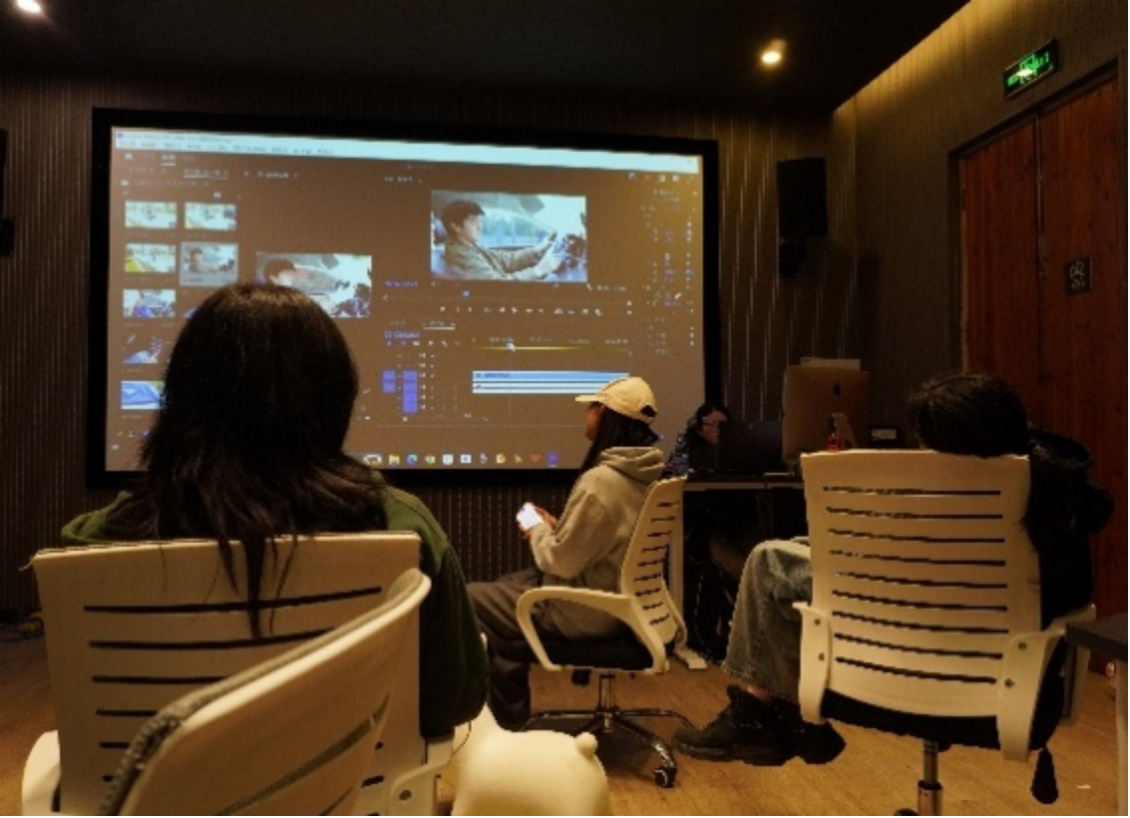
Grounded in the development of audiovisual narrative thinking, this course addresses the talent demands of the "internet + film and television" industry, with a focus on training applied screenwriters and directors. Moving beyond the traditional lecture-based classroom, it adopts a generative teaching model that bridges audiovisual theory and narrative practice, building a progressive, tiered system for developing screenwriting competence. Students are guided to construct narrative logic from the perspective of creators, using their own audiovisual grammar to articulate personal understanding, aesthetic values, and intellectual concerns.
Level: Undergraduate
Course Images:


·Film Language
This course is a specialized foundational theory course designed for advanced undergraduate students. It focuses on key issues in film language—including parallel montage, point of view, suspense, symbol, poetic expression, and the treatment of time and space. Through a combination of theoretical inquiry and close analysis of films, the course constructs a broad framework for understanding the grammar of cinema, laying the groundwork for further study in film and media.
Level: Undergraduate
Course Images:

·Short Film Production
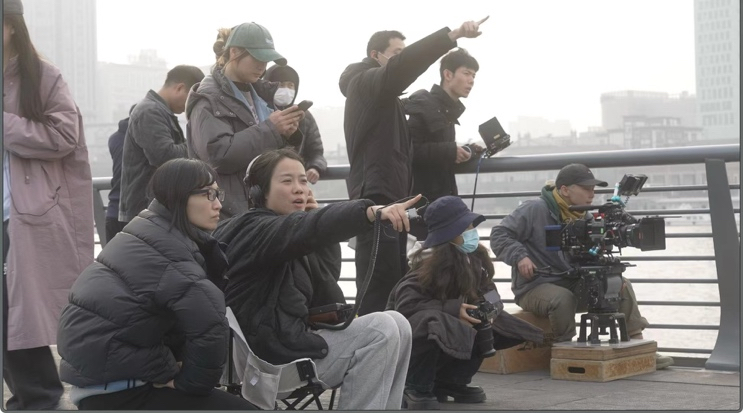
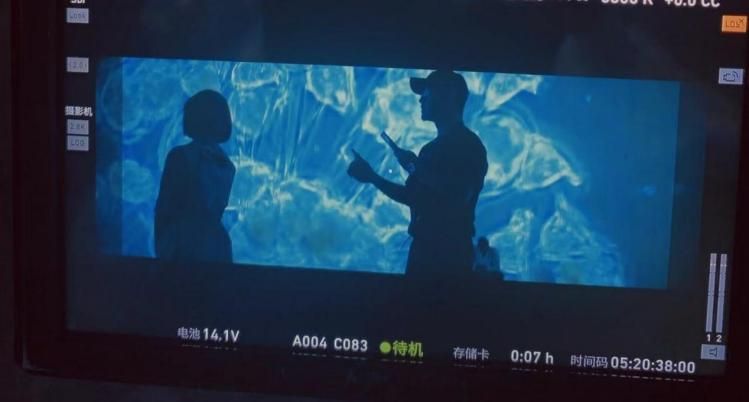
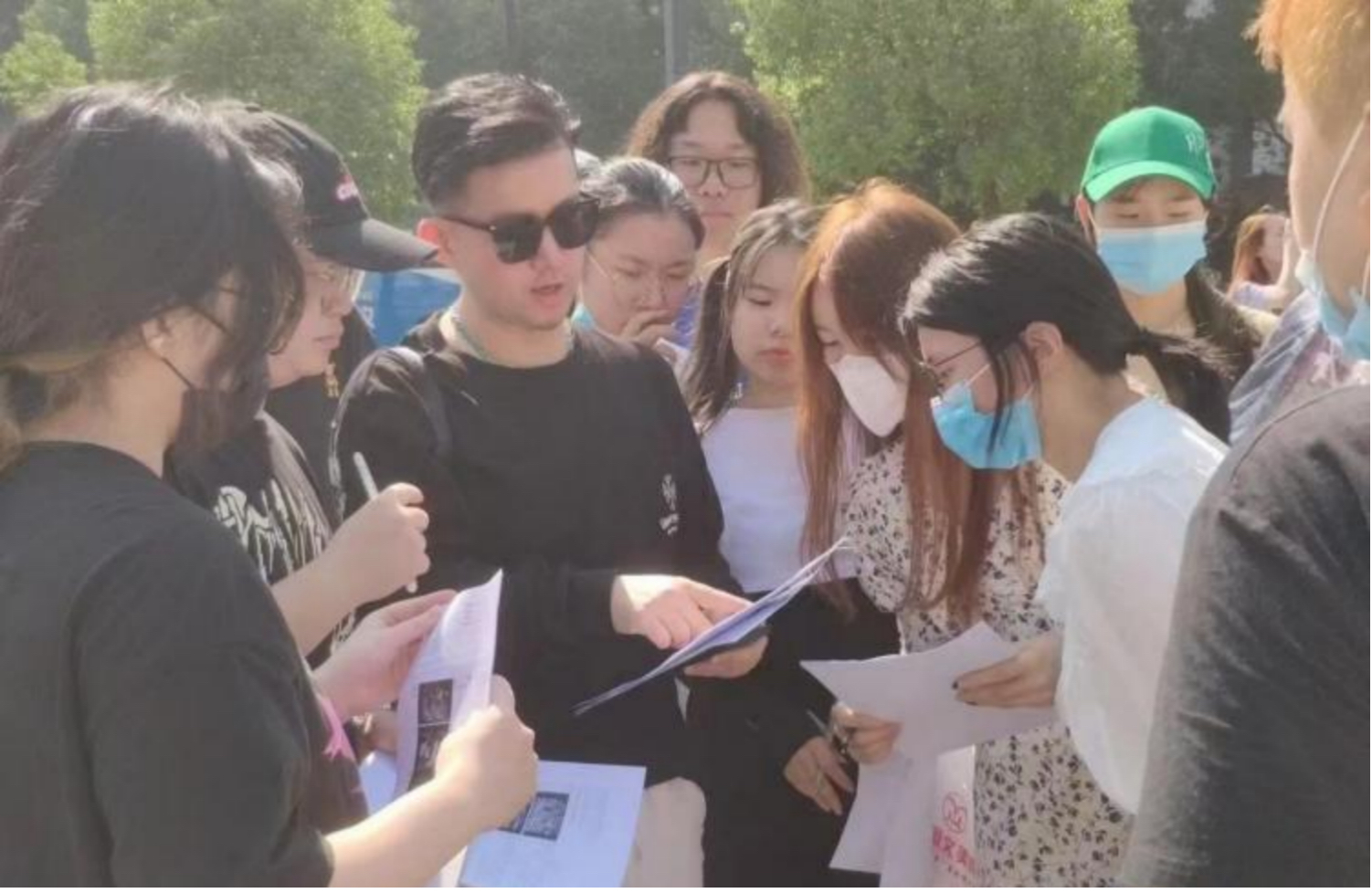
This practice-based directing course guides students in transitioning their creative approach from feature-length to short-form filmmaking. Course includes analysis of award-winning short films, project development and screenwriting, directorial conception, directorial practice, production workflow, and editing strategies. It aims to deepen students' understanding of cinematic form and to equip them with a solid command of short film techniques, processes, and creative methodologies. Students develop the ability to translate written narrative into cinematic expression, identify the critical stages in short film production, and apply appropriate techniques and methods across different short-form genres and contexts. Drawing on major film festivals and socially engaged briefs as points of departure, the course emphasizes the principle of "grounded creation," encouraging a positive, engaged approach and a focus on telling stories rooted in Chinese experience.
Level: Undergraduate
Course Images:



·Documentary Production
This professional practice course offers a focused introduction to documentary filmmaking. It draws on the history of both cinema and documentary to survey key documentary theories, while also providing instruction in documentary shooting methods and practical skills. Guided by the aesthetics of documentary cinema, the course aims to equip students with the creative competence to produce documentary works and to articulate authorial perspectives through the audiovisual language of the documentary form.
Level: Undergraduate
Course Images: