Foundation Studio: Body
Built around the principle that design begins with embodied experience, this course encourages students to investigate the relationships between the body, objects, space, and society through observation, experimentation, documentation, and making.
Students develop a human-centred understanding of design while strengthening perception, observation, empathy, and critical awareness. By grounding design thinking in lived experience, the course establishes a strong conceptual foundation for future studio practice.
|
|
|
|
|
|
Foundation Studies: Object Studies
This course explores the relationship between people and objects through observation, documentation, measurement, analysis, deconstruction, and reconstruction.
Students investigate the structure, scale, function, and cultural significance of objects while developing systematic approaches to design research. The course strengthens analytical thinking, research methods, and the ability to transform observation into creative design outcomes.
|
|
|
Foundation Studies: Context
Drawing on theories of semiotics and visual narrative, this course examines the cultural, social, and symbolic dimensions of objects and designed environments.
Through work with images, text, media, and spatial experience, students explore how design constructs meaning, communicates ideas, and responds to contemporary social issues. The course develops cultural awareness, narrative thinking, and the ability to communicate across multiple media.
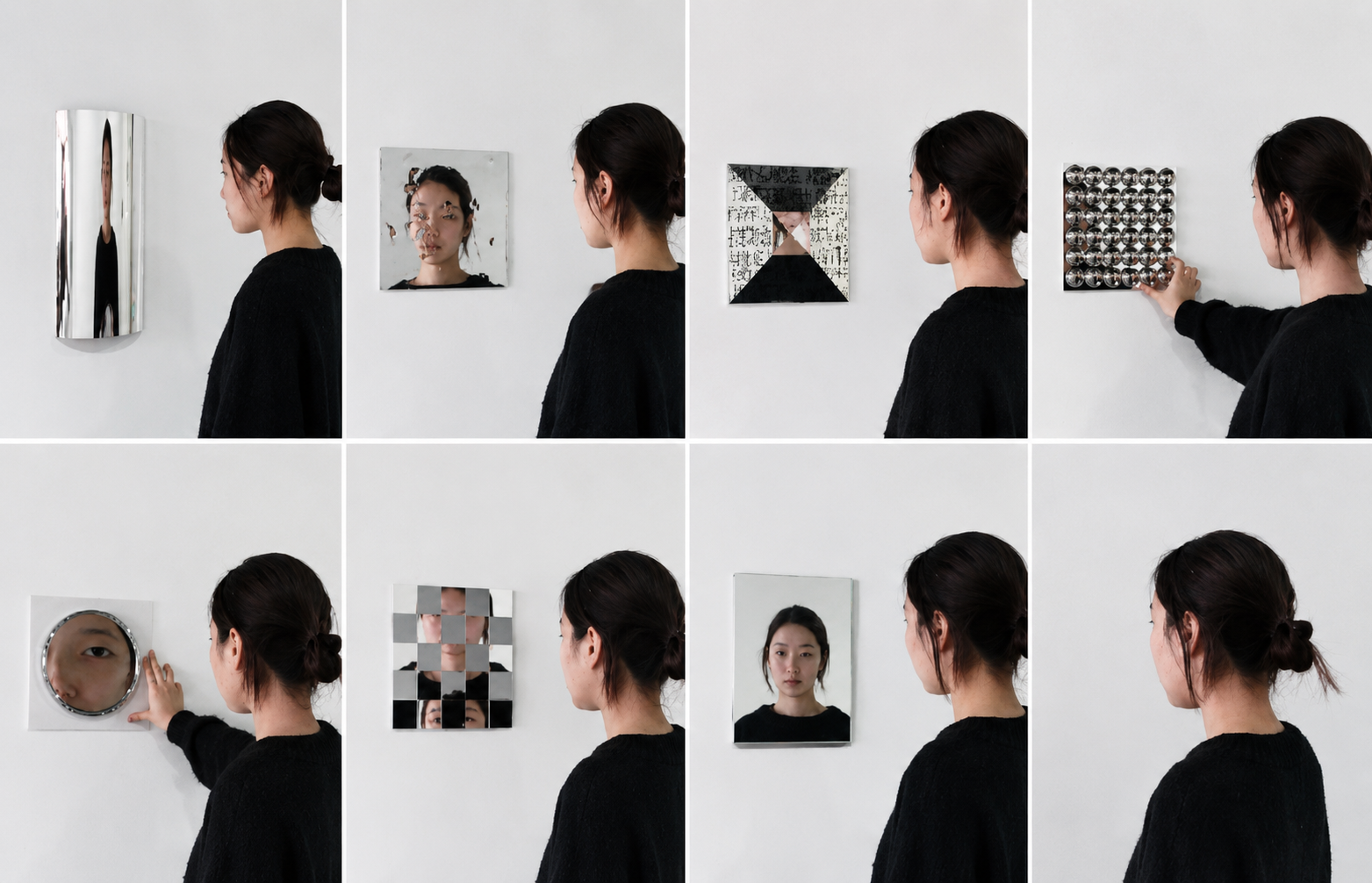
Foundation Studies: Composition
This course introduces the fundamental principles of form, colour, material, and space through a series of studio-based design investigations.
Students move between two-dimensional and three-dimensional making while exploring the transformation of ideas from observation to abstraction. The course develops aesthetic judgement, formal experimentation, and spatial thinking, providing students with a strong visual language for contemporary design practice.
|
|
|
|
|
|
Humanities Foundation (Field Research)
The course explores how design can engage with society and culture through interdisciplinary study and field research. By encouraging students to investigate real-world contexts, it fosters an understanding of local cultures, social change, and contemporary issues.
Drawing on perspectives from design, sociology, anthropology, and related disciplines, the course develops students' ability to identify meaningful questions, interpret social and cultural contexts, and conduct research through observation and engagement. It establishes a humanistic foundation for subsequent design studies, encouraging students to develop design values grounded in real needs and lived experience.
Course Link:https://gmjk.caa.edu.cn/detail/JK31
|
|
|
Workshop Courses
The Department of Foundation Studies offers a diverse programme of workshops, ranging from year-round research-led studios to intensive Short-term Workshops and International Workshops. Together, these initiatives provide students with open and collaborative environments for experimentation, interdisciplinary exchange, and creative practice beyond the core curriculum.
1. Long-term Workshops
The studio encourages curiosity, sustained engagement, and personal exploration in a supportive learning environment beyond the formal curriculum.
Design Studio
The Design Studio is organised around four areas of exploration: Pattern, Colour, Image, and Form.
Drawing inspiration from traditional culture while engaging with contemporary visual culture and digital technologies, the studio encourages students to investigate form, materials, cultural narratives, and visual communication through experimental design practice.
Each area offers a distinct approach:
1. Colour Studio explores Chinese colour aesthetics and investigates how traditional colour systems can inform contemporary design.
2. Pattern Studio develops visual analysis and design thinking through the study, reinterpretation, and transformation of historical patterns.
3. Form Studio combines material exploration, spatial investigation, and digital fabrication to examine relationships between form, making, and contemporary design.
4. Image Studio investigates image production through perspectives drawn from visual culture, semiotics, and cognitive studies, encouraging critical approaches to visual communication and image-making.
Together, these studios support students in developing research methods, critical thinking, and culturally informed approaches to design.
|
|
|
|
|
|
2. International Workshops
The International Workshops bring together internationally recognised artists, designers, curators, and educators to explore global issues through collaborative studio practice.
Working across different cultural contexts and disciplinary perspectives, students engage in project-based learning, international collaboration, exhibitions, workshops, and academic exchange, developing cross-cultural awareness and an expanded understanding of contemporary creative practice.
Design Futures International Workshop
The Design Futures International Workshop explores design innovation, social challenges, and intercultural collaboration through interdisciplinary teaching and international partnerships.
By connecting foundation studies with contemporary design practice, the workshop encourages students to develop design thinking, social awareness, and collaborative skills within an international context.
Workshop 1: The Future Starts Now
Led by Professor Helena Hyvönen, Aalto University, and Qian Wang, Shanghai Regional Project Director at World Wide Fund for Nature Beijing Office.
Centred on the United Nations Sustainable Development Goals (SDGs), the workshop explores sustainable design and creative communication through design thinking and collaborative projects. Students investigate how design can respond to contemporary environmental and social challenges while developing teamwork and systems thinking.
|
|
|
Workshop 2: The Boundaries of the Body
Led by Professor Kohsuke Tsumura, Department of Scenography, Space and Fashion Design, Musashino Art University.
Developed alongside the Foundation Studio: Body course, the workshop investigates relationships between the body, objects, and space through experimental making and site-based practice. Students explore embodied perception as a catalyst for design innovation and interdisciplinary creative practice.
|
|
|
Workshop 3: Visualising Trajectories: New Ways of Reading
Led by Professor Tsunao Nagasaki and Associate Professor Shunichi Kan, Department of Integrated Design, Tama Art University.
Linked to the Foundation Studies: Object Studies course, the workshop combines object observation, movement analysis, and paper model experimentation to investigate relationships between people, objects, and information. Through observation and making, students develop research-led approaches to design and innovation.
|
|
|