Clay Modeling from Life - Head and Bust, Clay Modeling from Life — Half-Life-Size Human Figure, Clay Modeling from Life - Relief Clay Modeling, Clay Modeling from Life - Life-Size Human Figure
• Clay Modeling from Life - Head and Bust
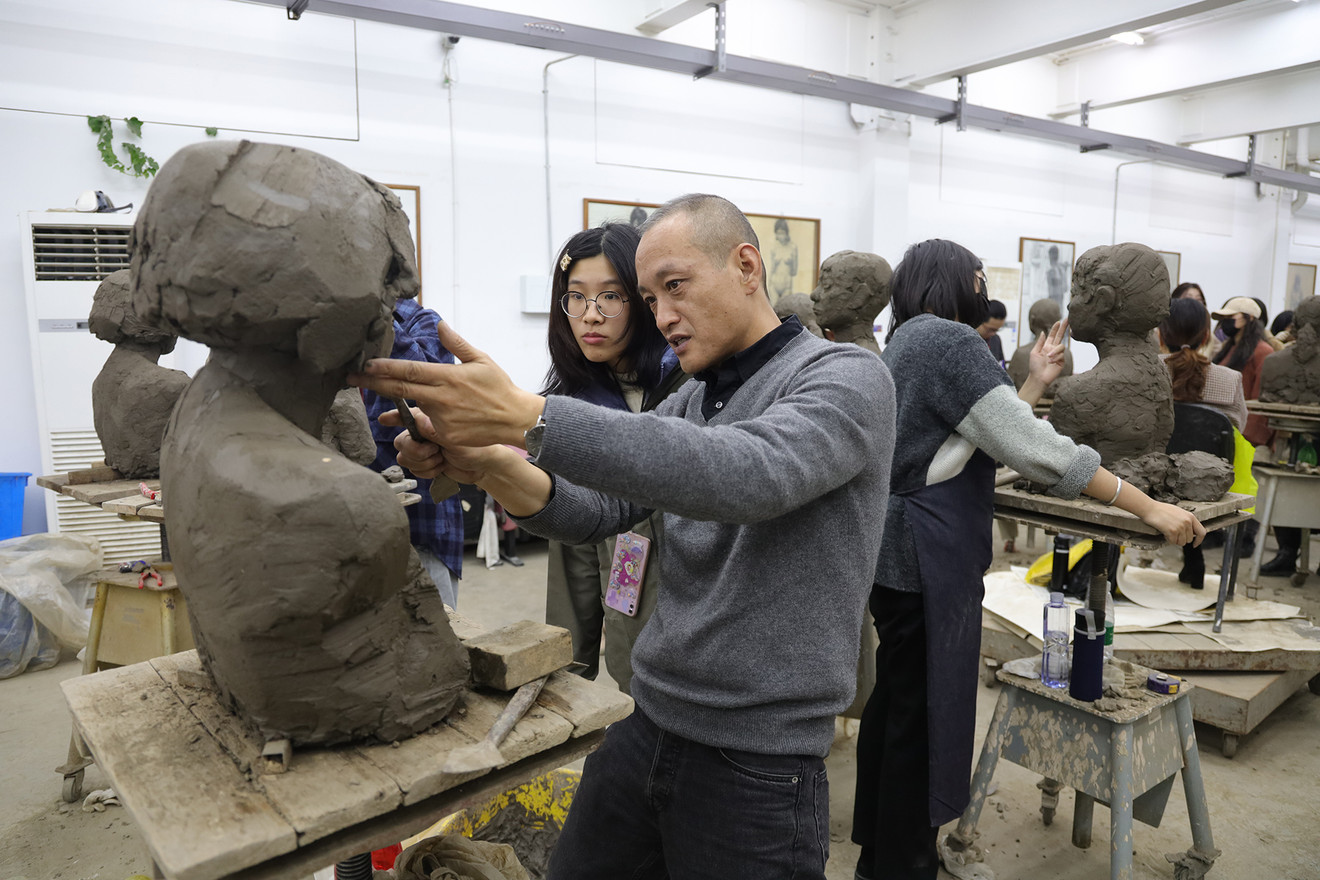
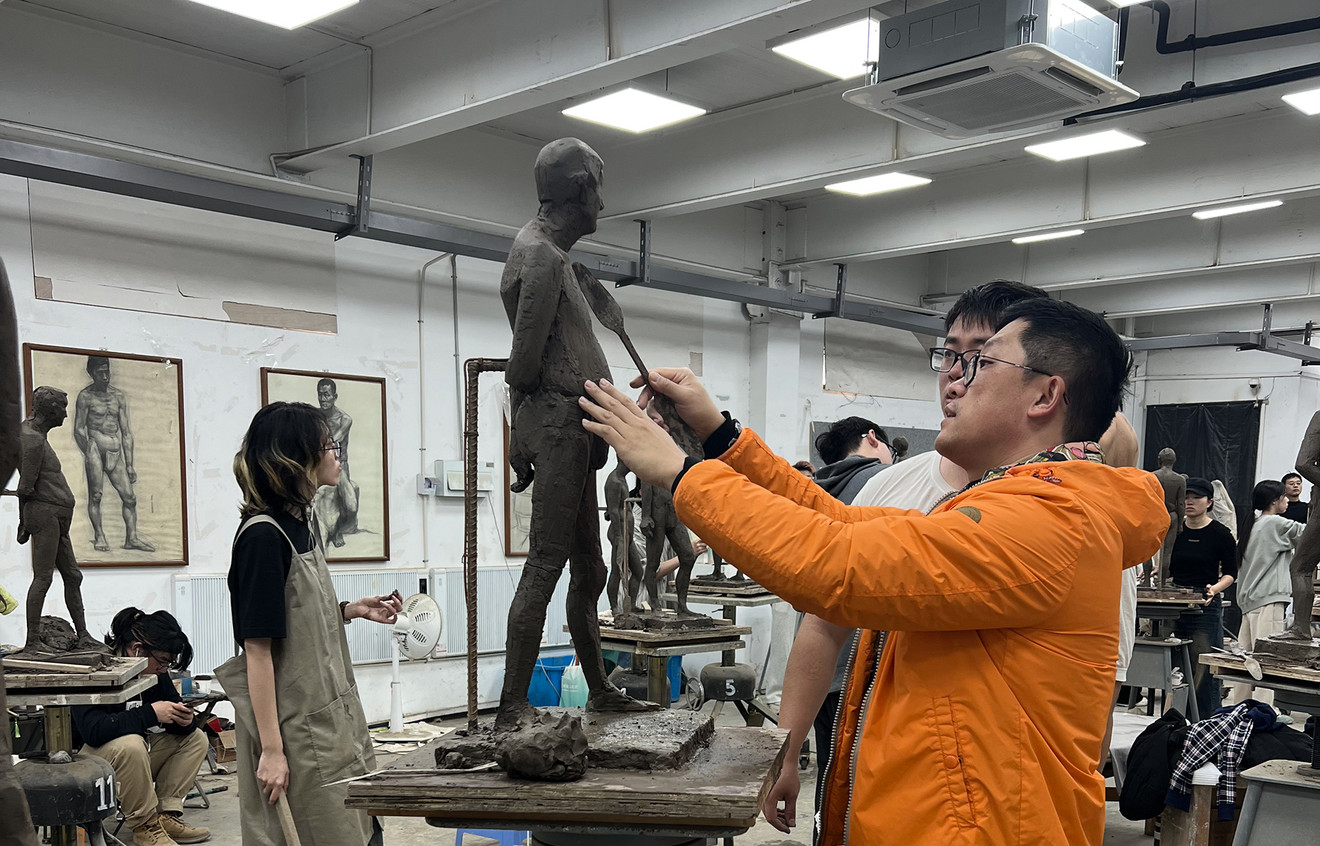
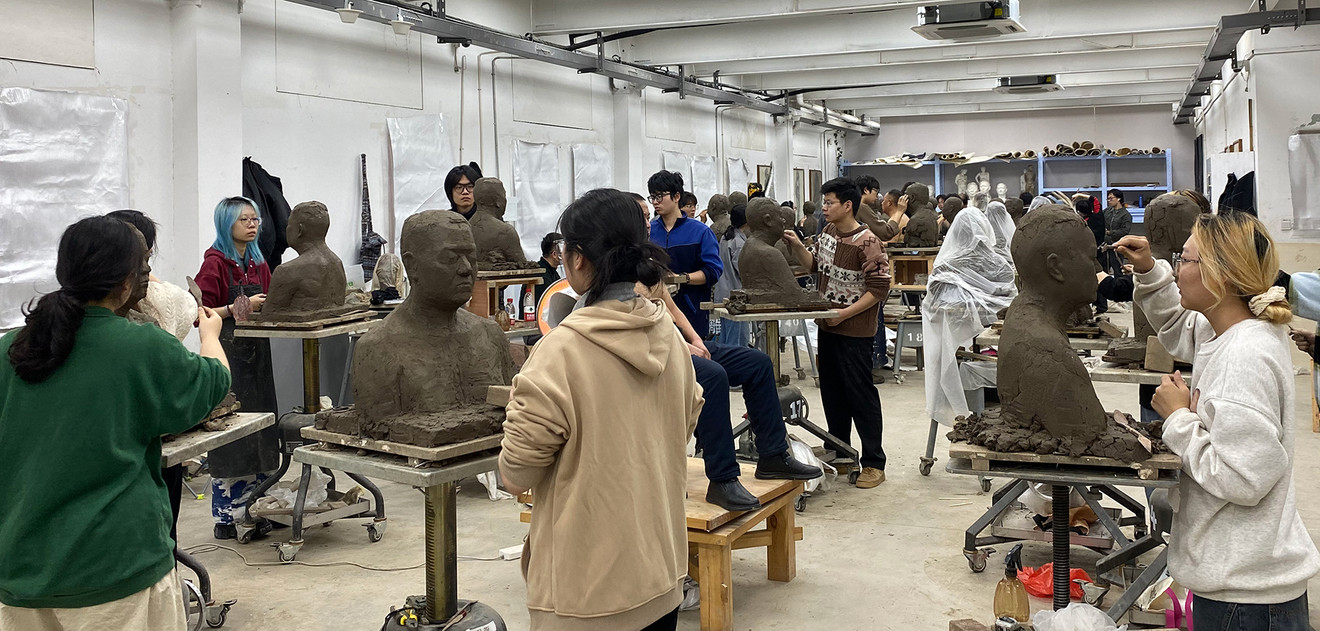
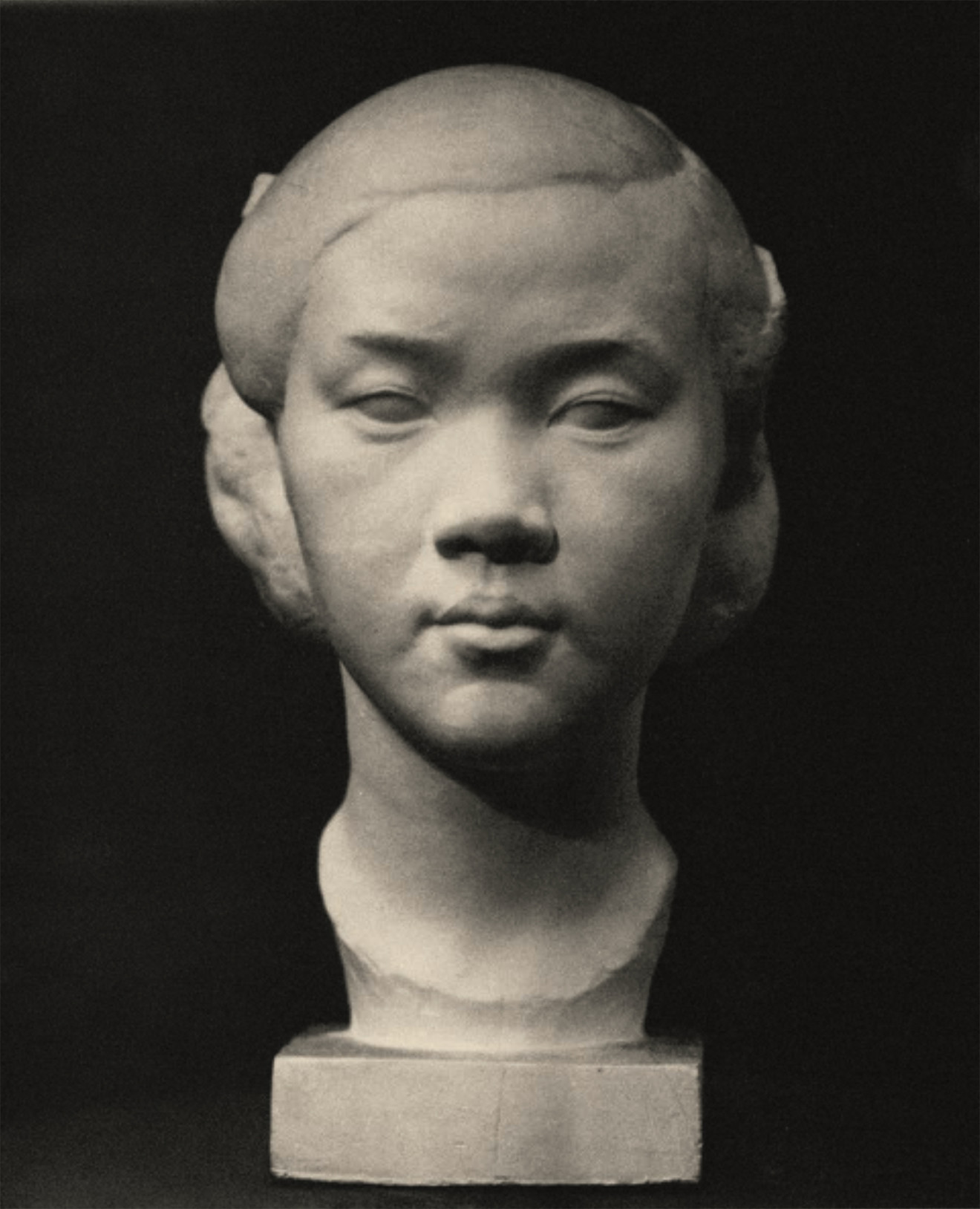
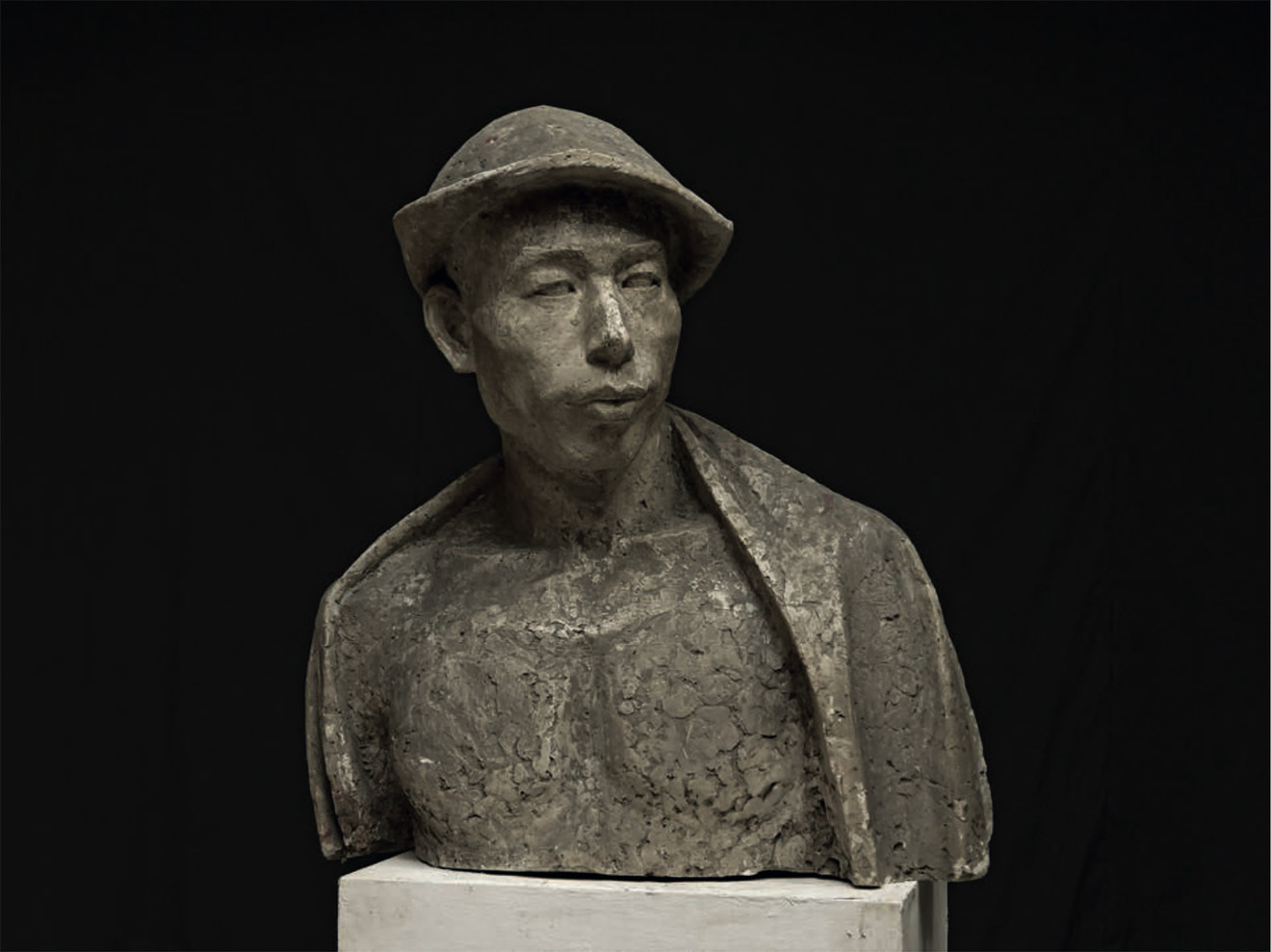
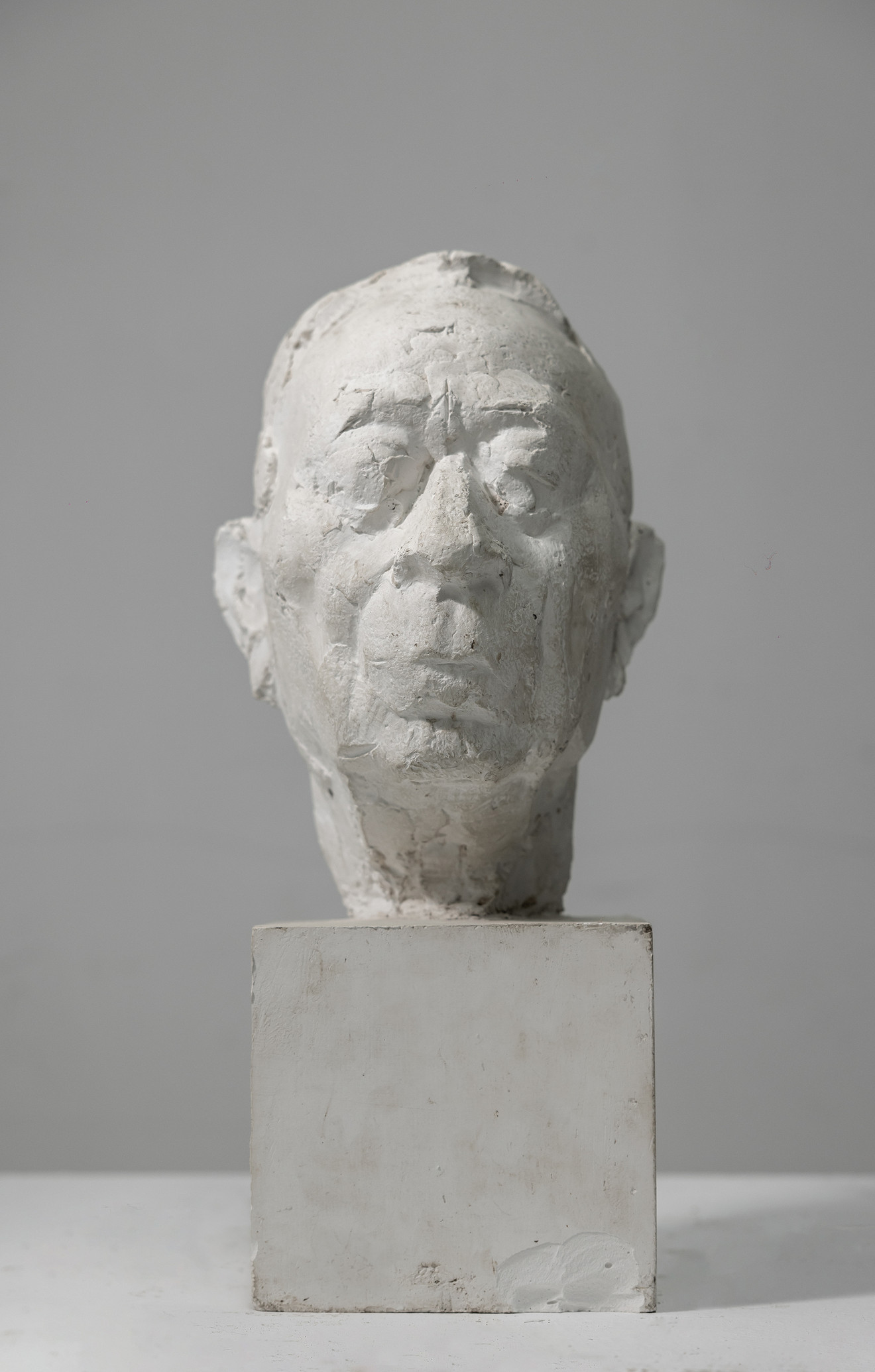
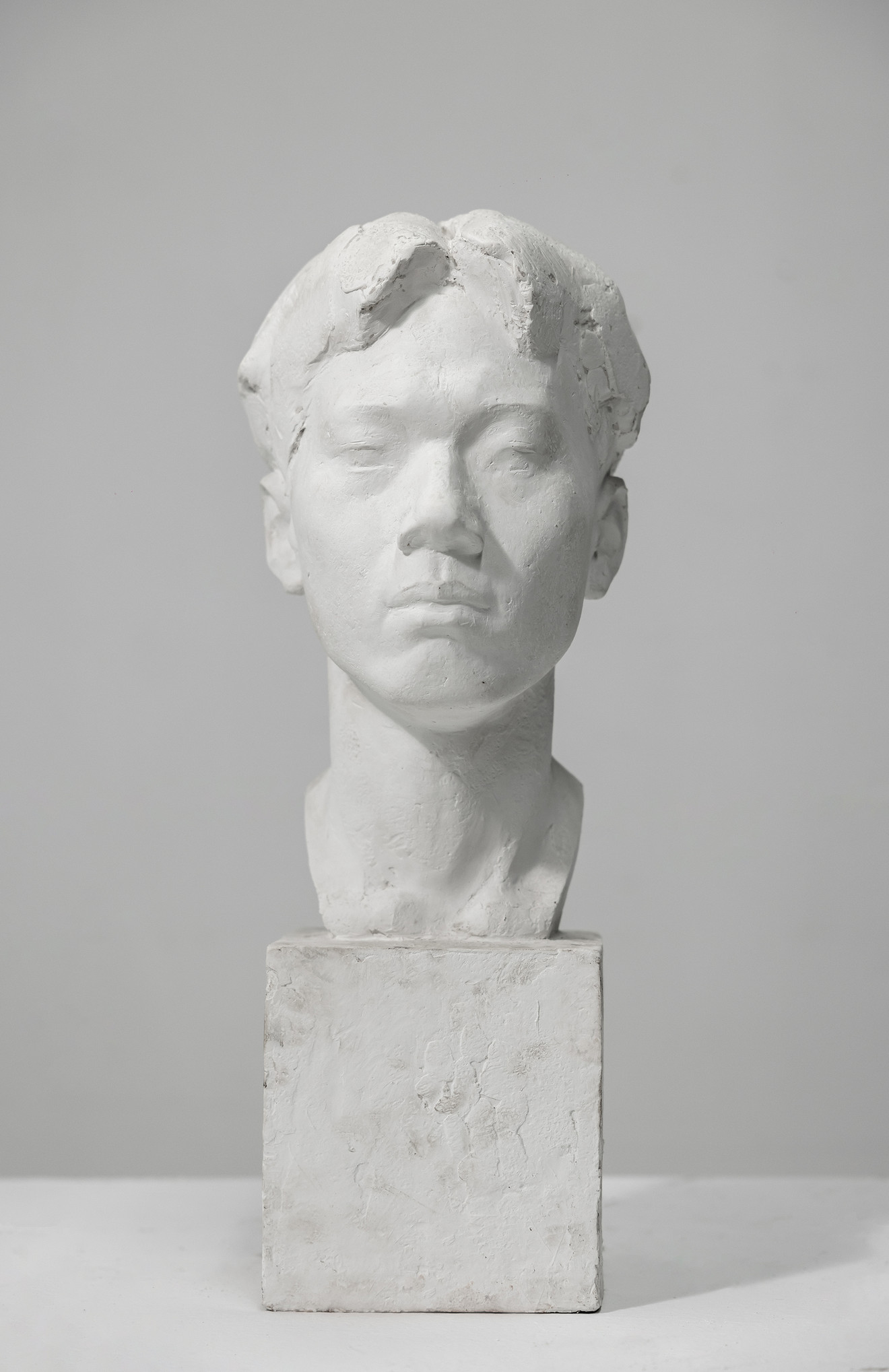
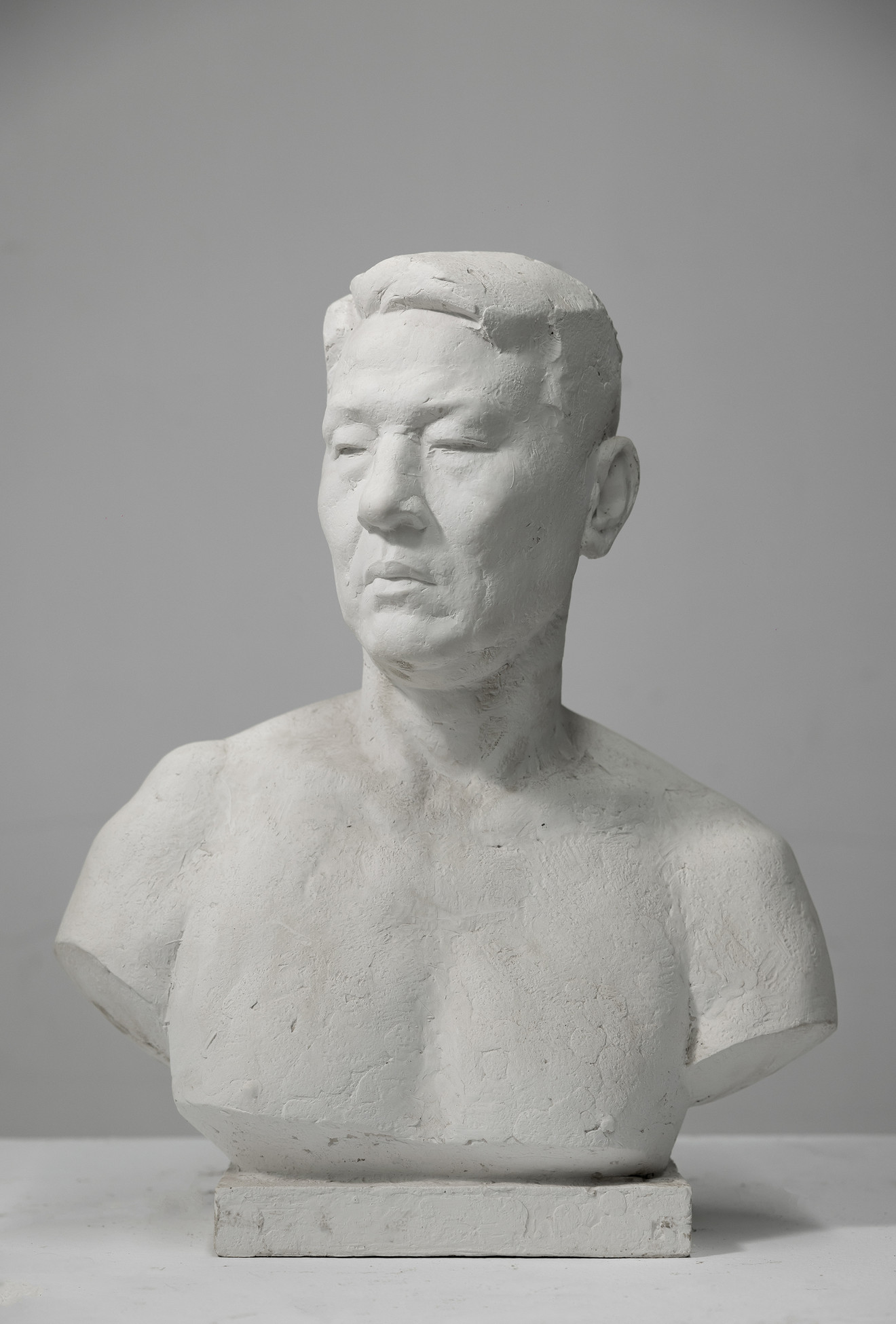
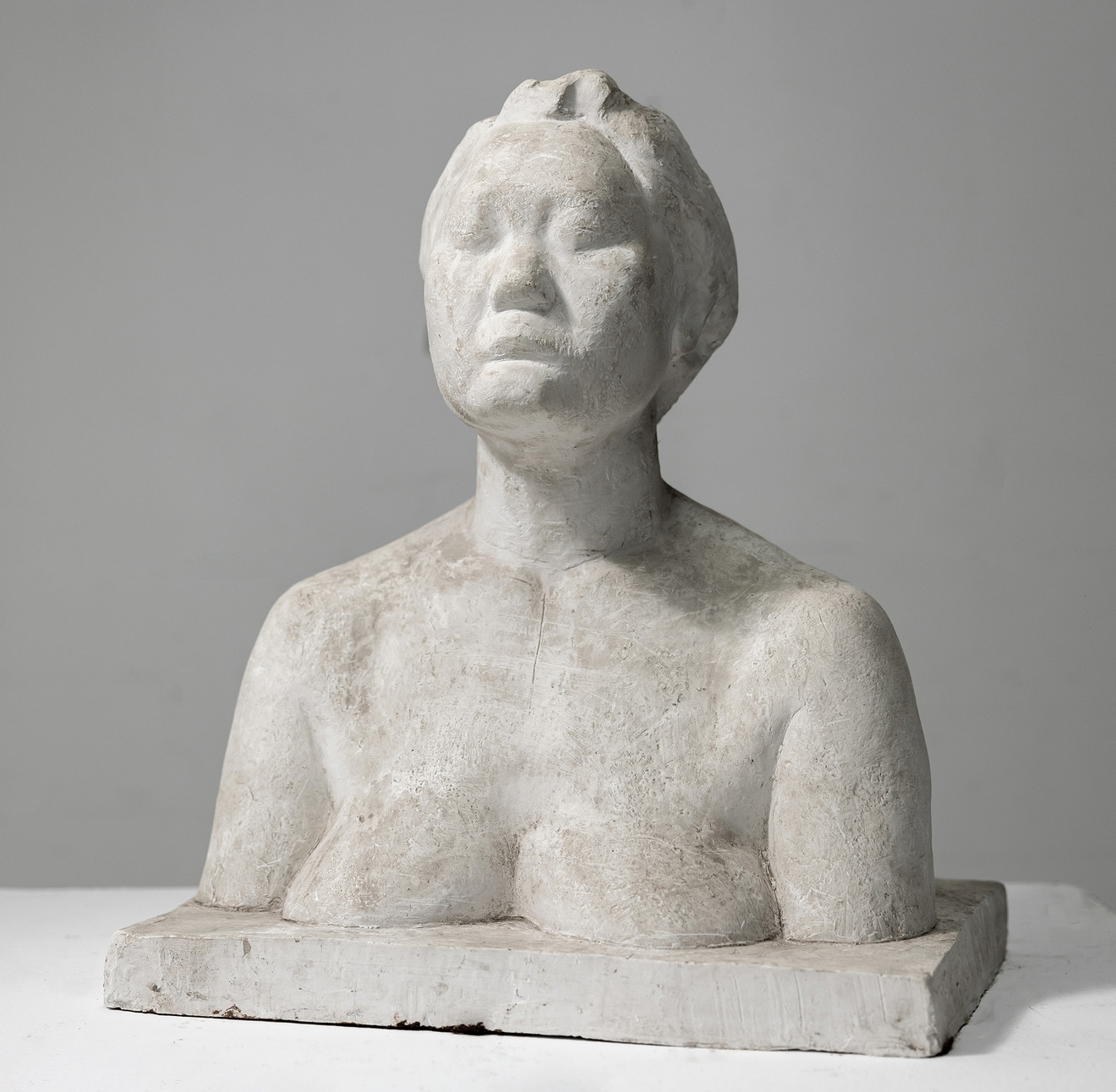
The foundational teaching of the Sculpture programme inherits the figurative tradition of earlier generations. The Head and Bust Clay Modeling unit takes the human figure as its primary subject and clay modeling from life as its main expressive method. Through this process, students learn to understand form, space, and the principles of plastic arts, while utilizing elements such as form and space to realize the artist's expression and a sense of sculptural subjectivity. Through sketching from life, students conduct in-depth research into human form and its underlying principles, master the methods and techniques of clay modeling, and establish a solid understanding of form structure and spatial concepts. By working with the distinctive sculptural language of volume, space, and form, students ultimately develop their plastic arts literacy and creative ability required for figurative sculpture.
The course follows a step-by-step approach, moving from the basic to the advanced. In practice, students learn from the valuable established methods, cultivate sound working habits, and improve their sculpting skills. They also gain a clearer understanding of how to express thoughts and emotions through head and bust sculptures, thereby preparing for the next stage of their studies.
Course Images:

Student work:

• Clay Modeling from Life - Half-Life-Size Human Figure
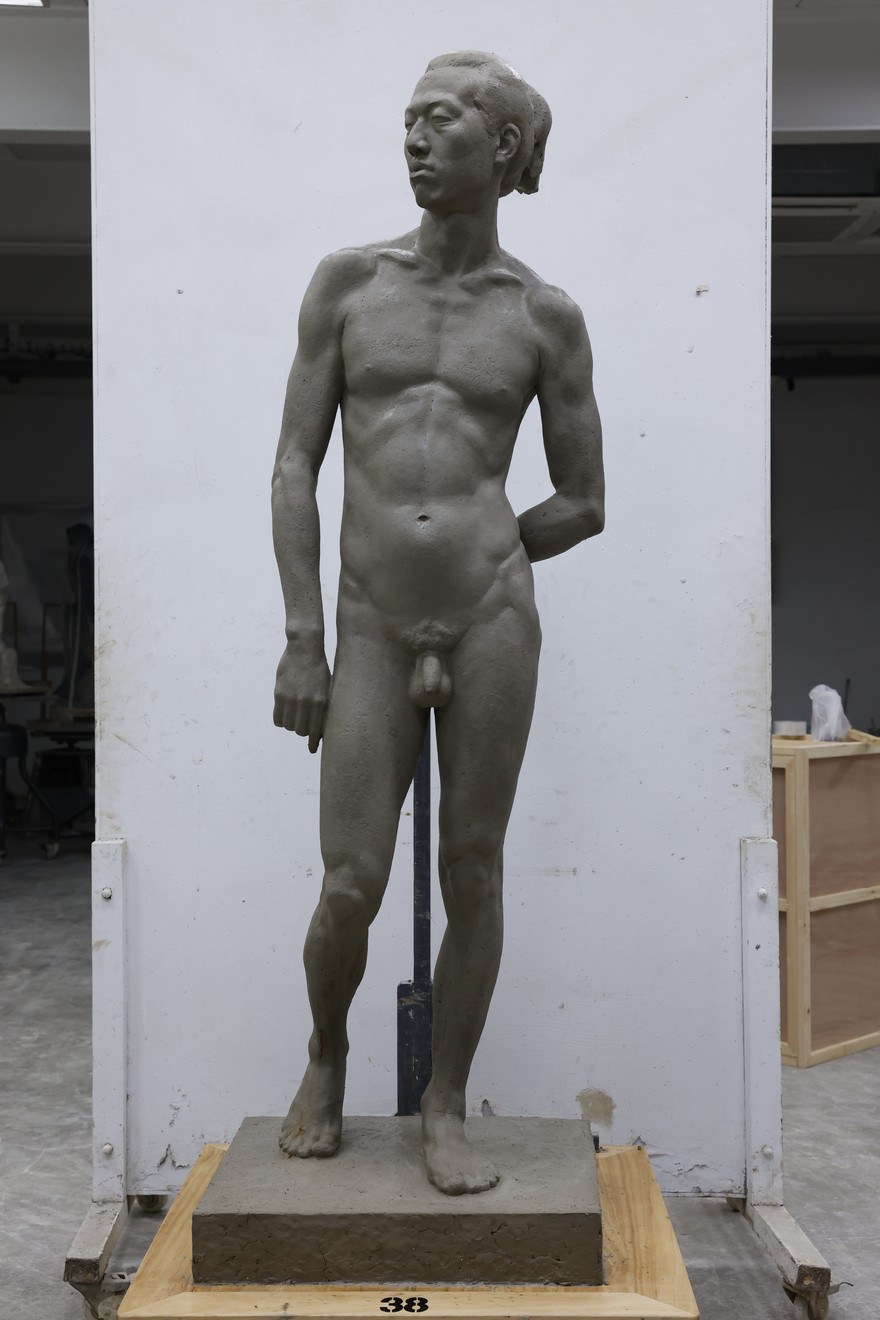
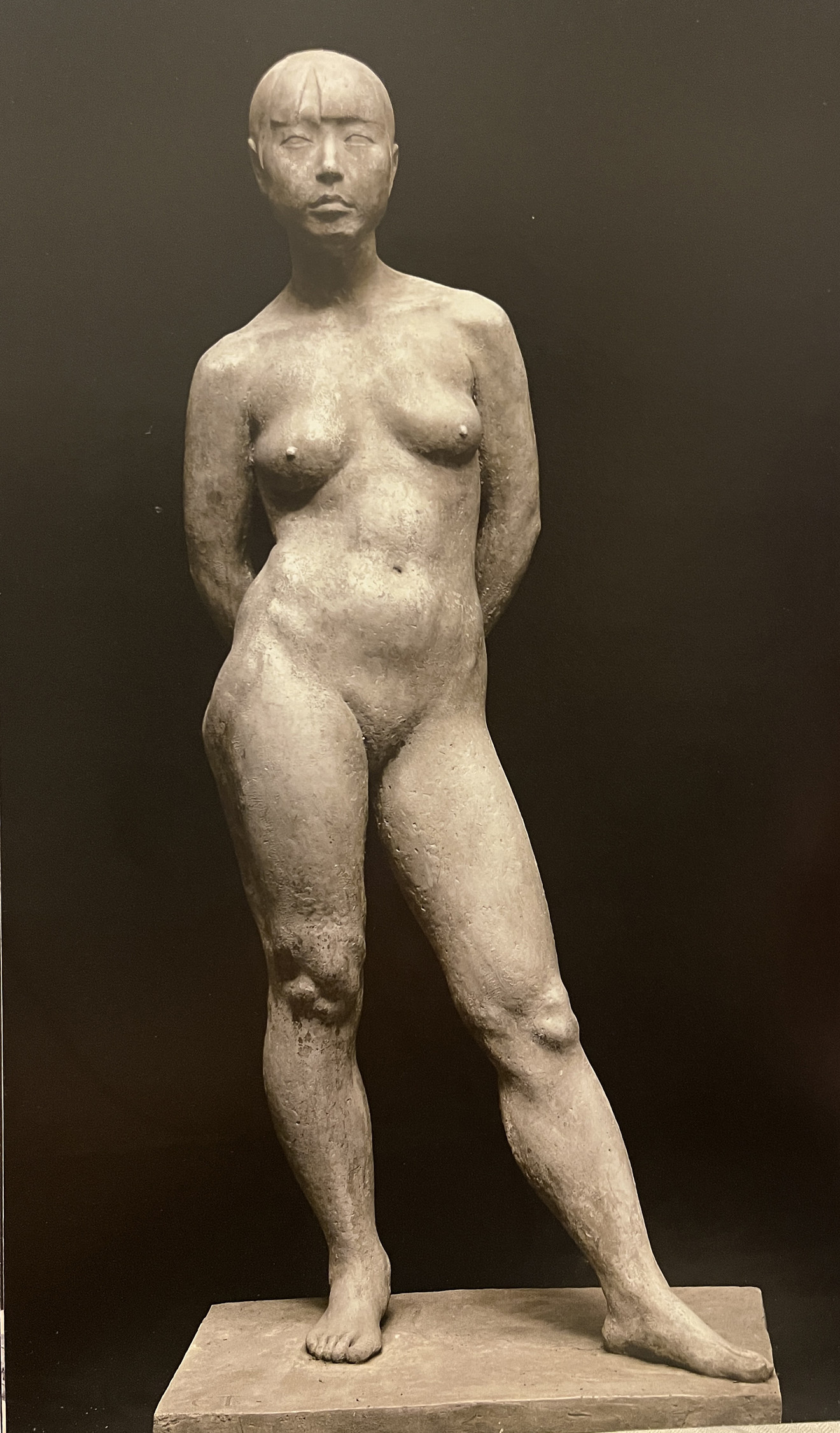
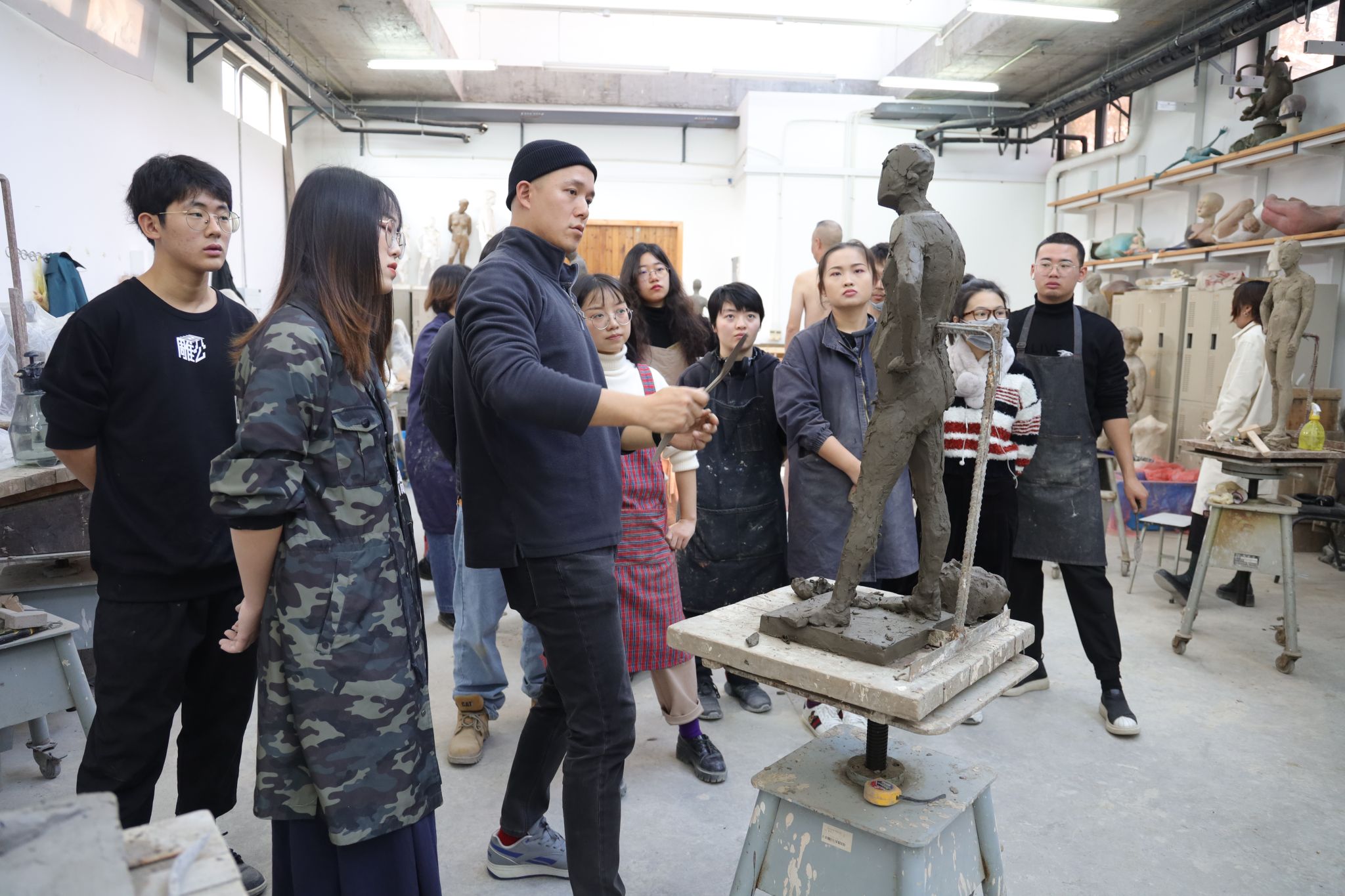
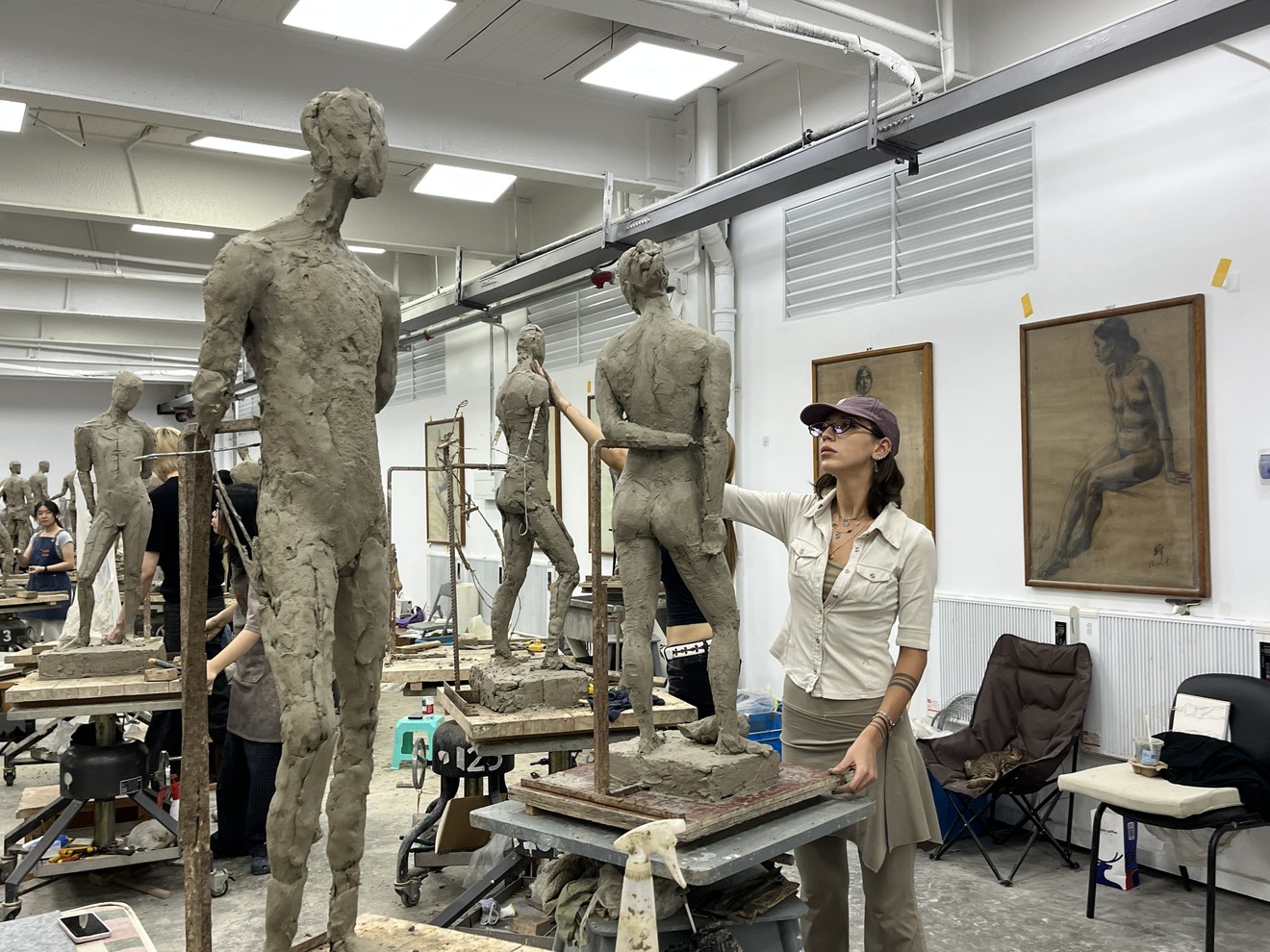
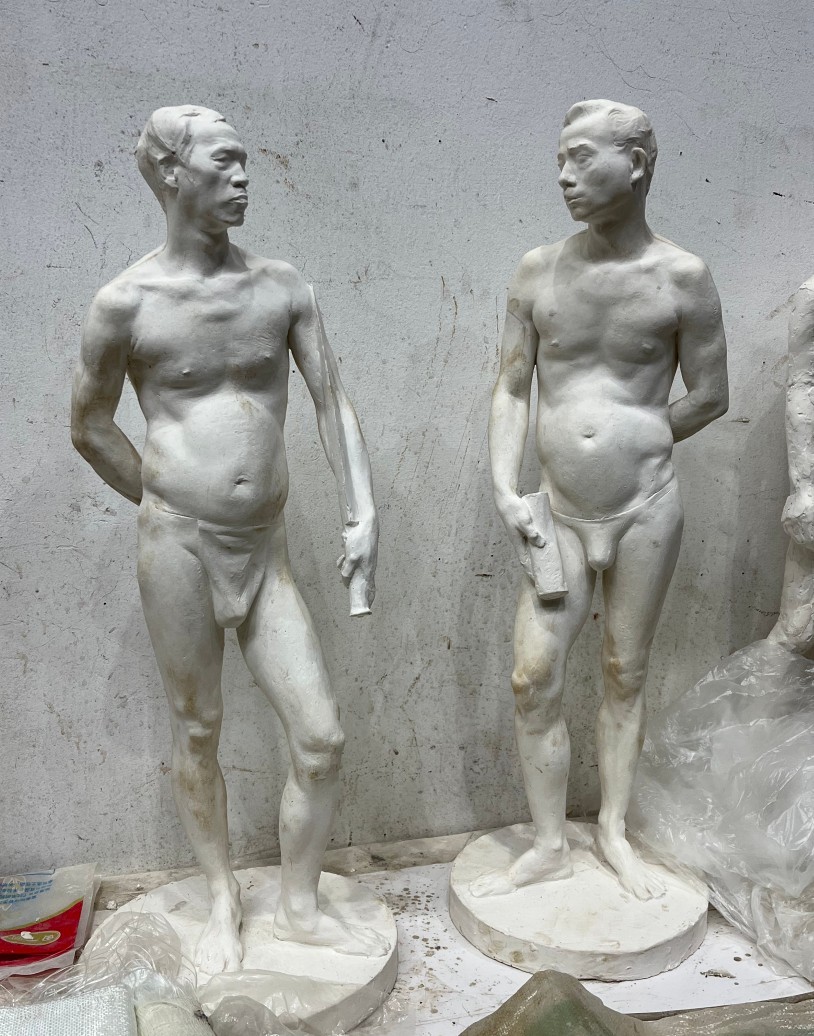
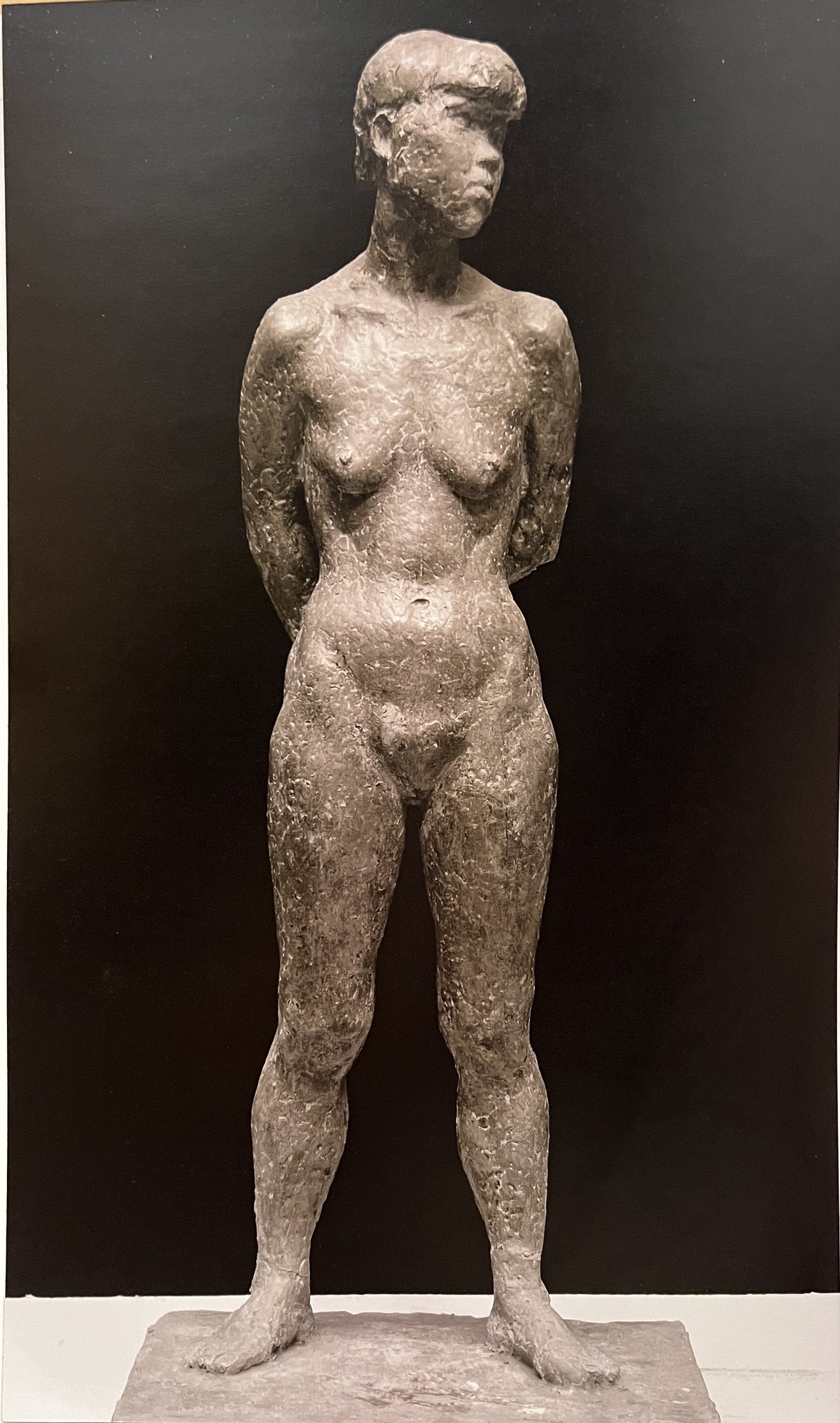
This foundational unit inherits the figurative tradition of earlier generations, taking the human figure as its primary subject and clay modeling from life as its main expressive method. Building upon the foundation of Head and Bust Clay Modeling, it enables learners to experience the richer and more complex structural anatomy, as well as the organizational relationships of forms created by changes in spatial orientations. Students will fully recognize the importance of human anatomical knowledge and transform it into the understanding of anatomical structure in sculpture essential for modeling. The unit cultivates accurate observation, develops an understanding of form, space, and principles of plastic arts, and helps students grasp the transformative relationship between observational results and clay modeling. Through the use of form, space, and other elements, it facilitates the artist's expression, laying a solid foundation for the more advanced requirements of the next unit - the Two-thirds-Life-Size Human Figure Clay Modeling.
Course Images:


Student work:


• Clay Modeling from Life - Relief Clay Modeling
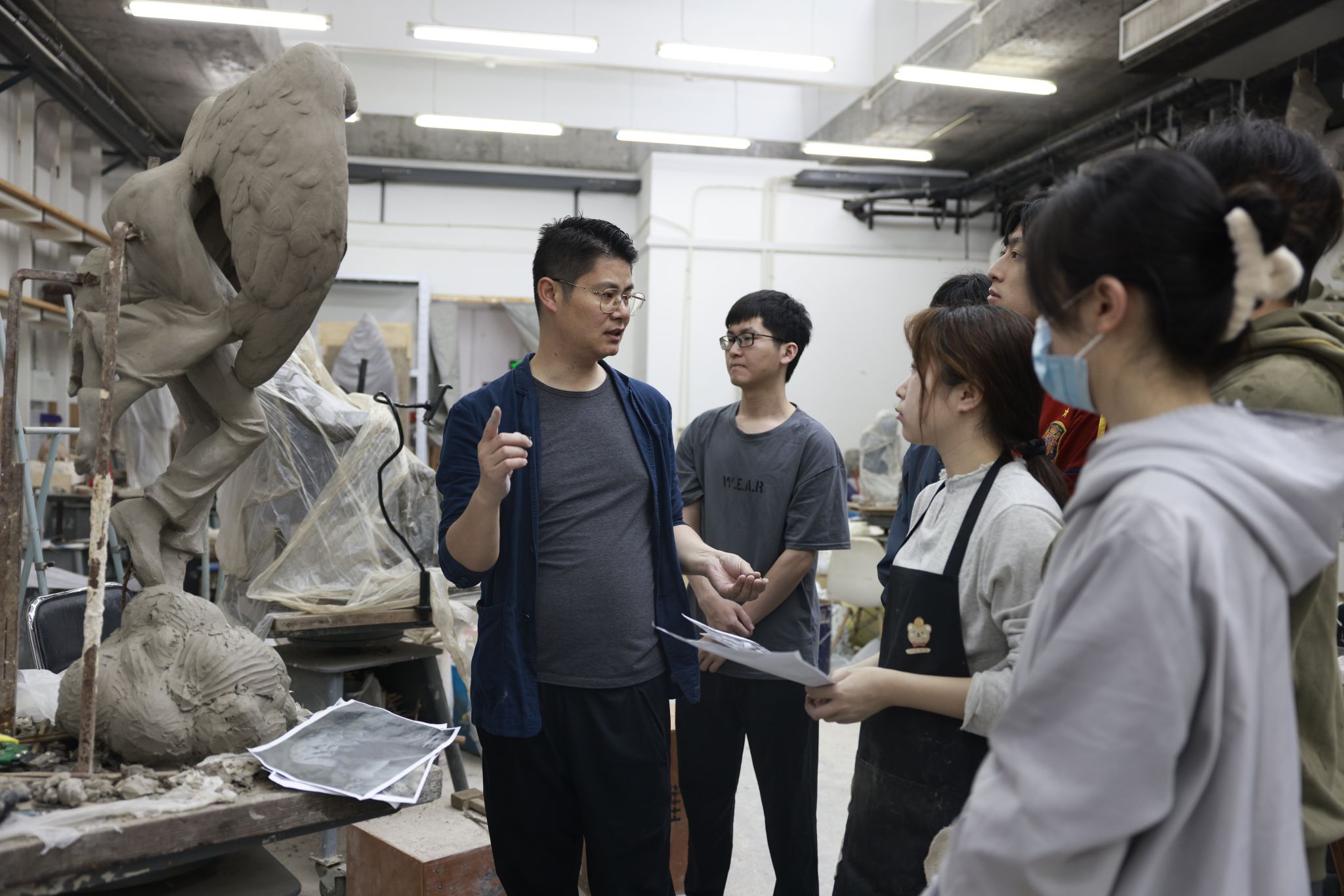
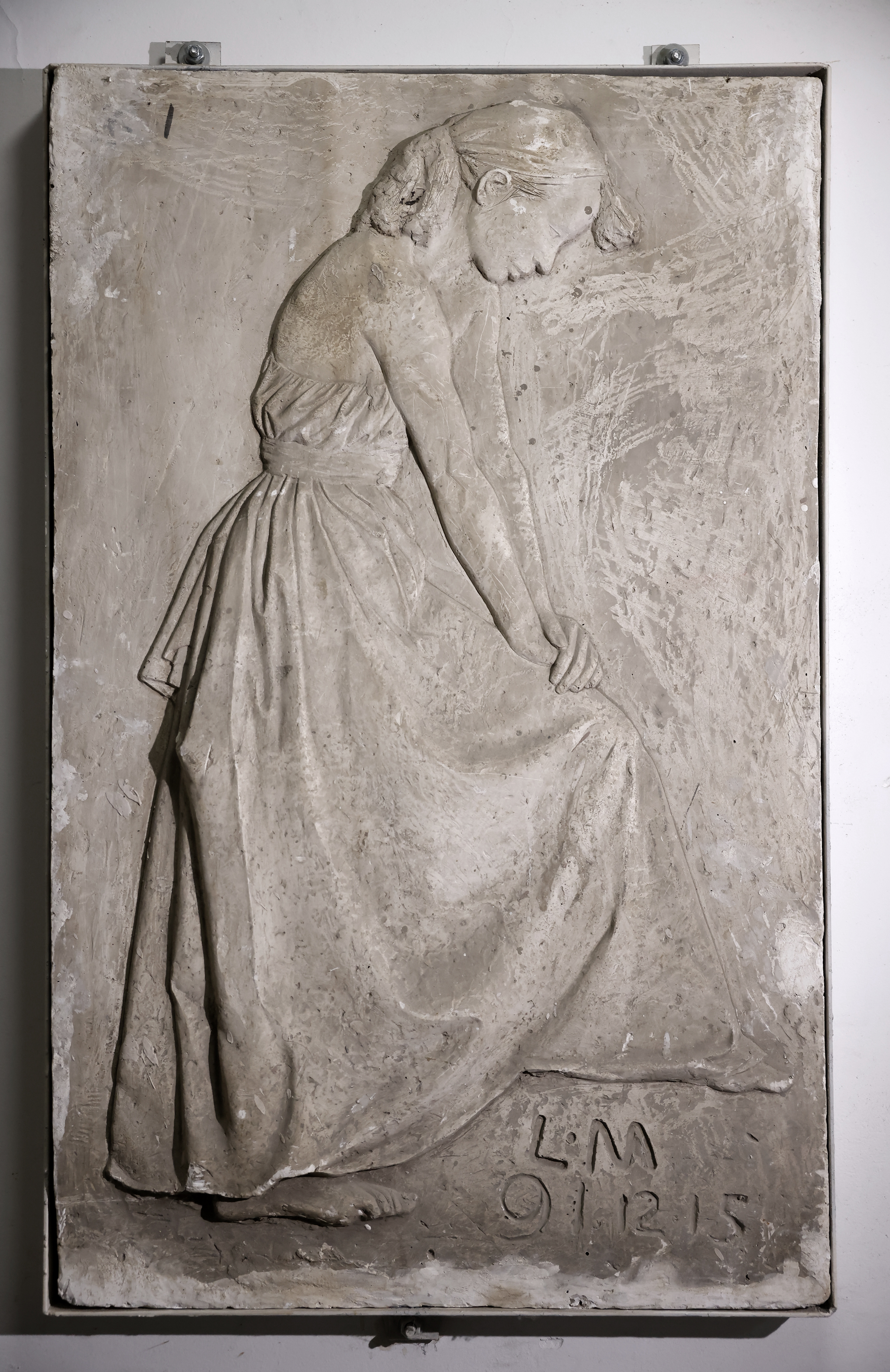
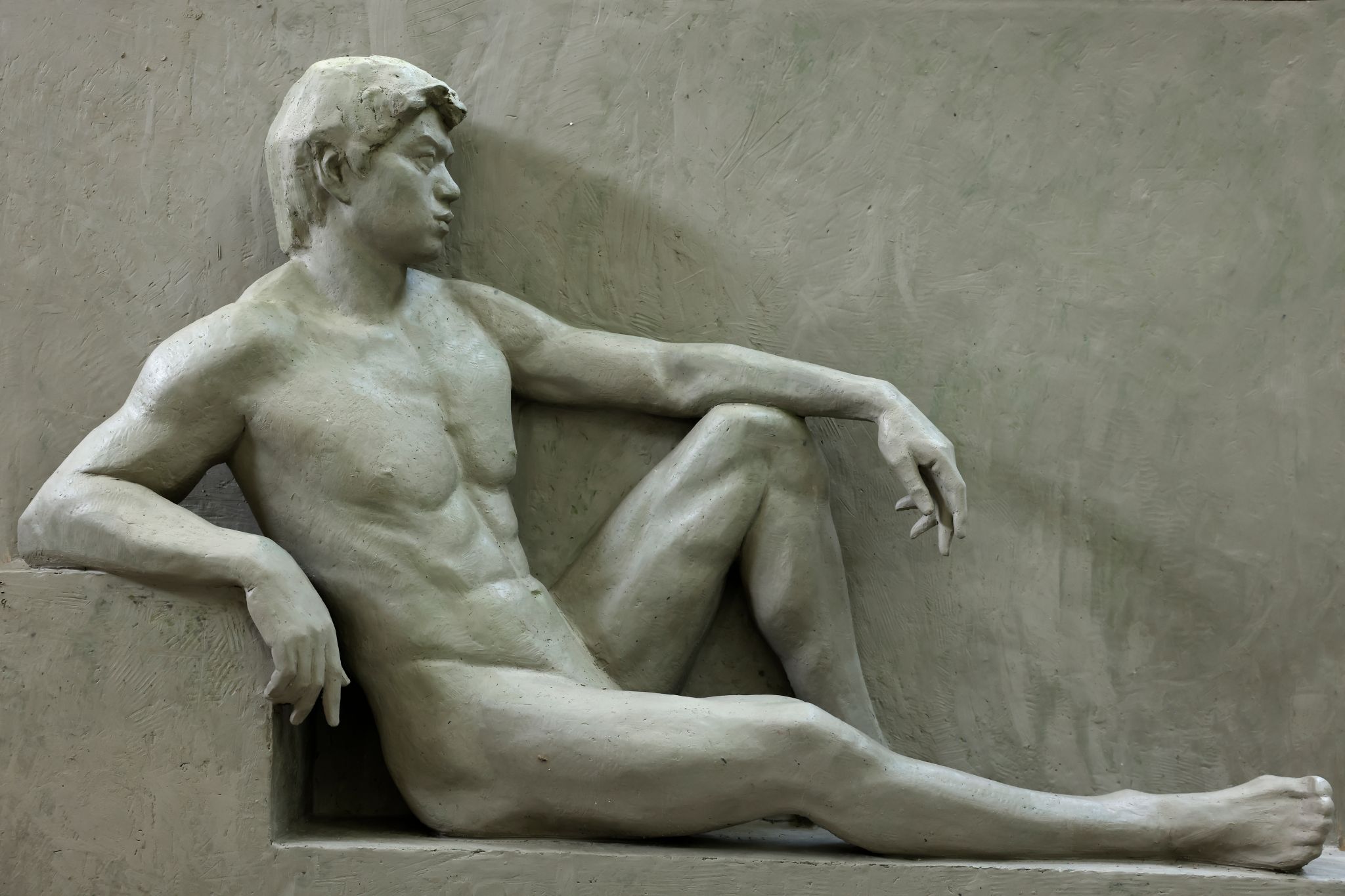
This unit serves as the third-stage foundational training within the Sculpture programme at the China Academy of Art. It is an important advanced exercise that follows students' completion of Head and Bust Clay Modeling and Half-Life-Size Human Figure Clay Modeling. The unique quality of relief art - existing "between two-dimensional and three-dimensional space" — requires creators to maintain a three-dimensional understanding of form while mastering the ability to construct spatial illusions within a limited depth. This unit functions as a critical transitional hub in the sculpture cognition system, guiding students from full-dimensional stereoscopic perception toward compressed spatial dimensions, and serves as a conceptual bridge connecting foundational round sculpture training with future diverse creative practices.
Course Images:


Student work:


• Clay Modeling from Life - Life-Size Human Figure
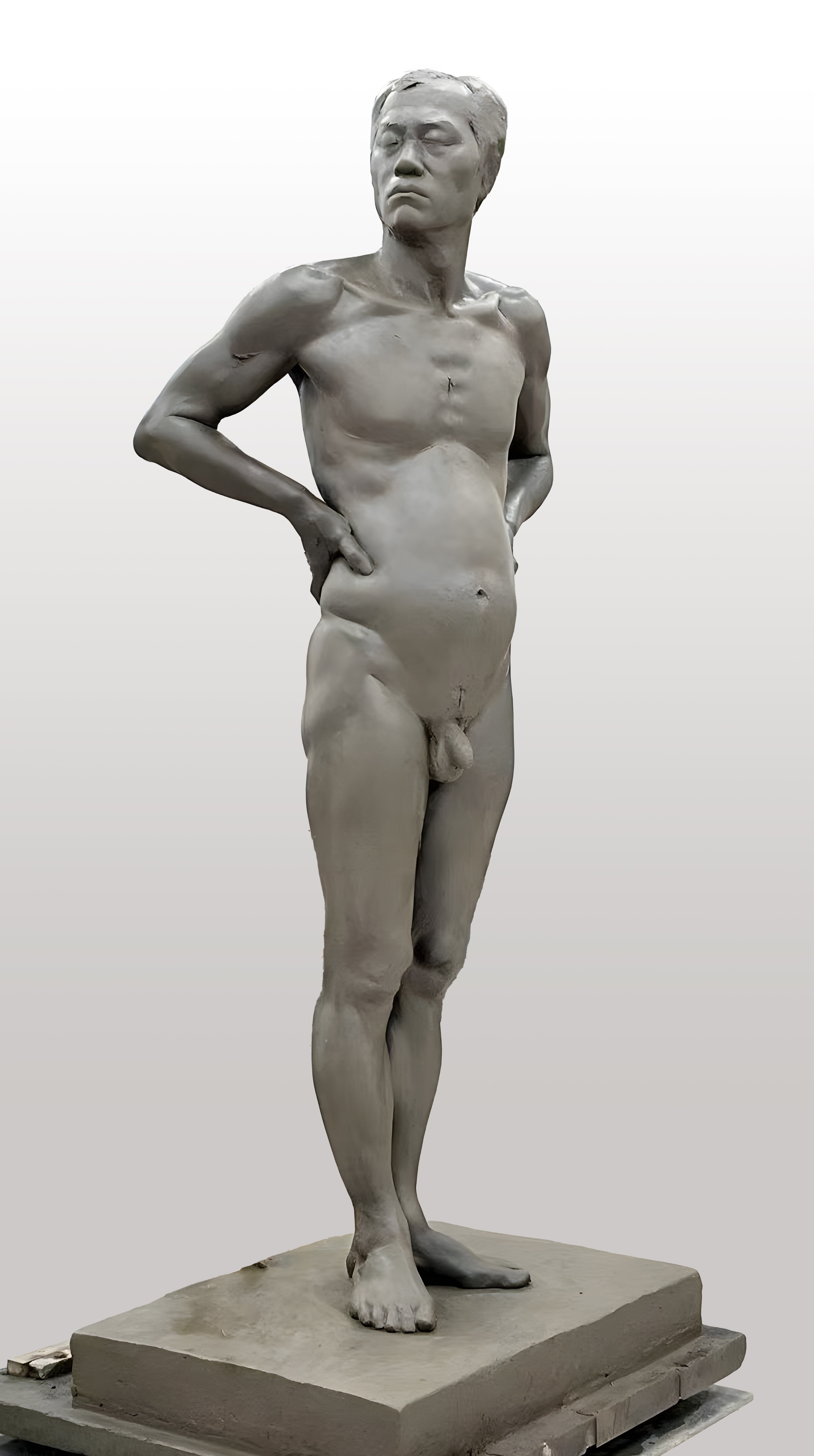
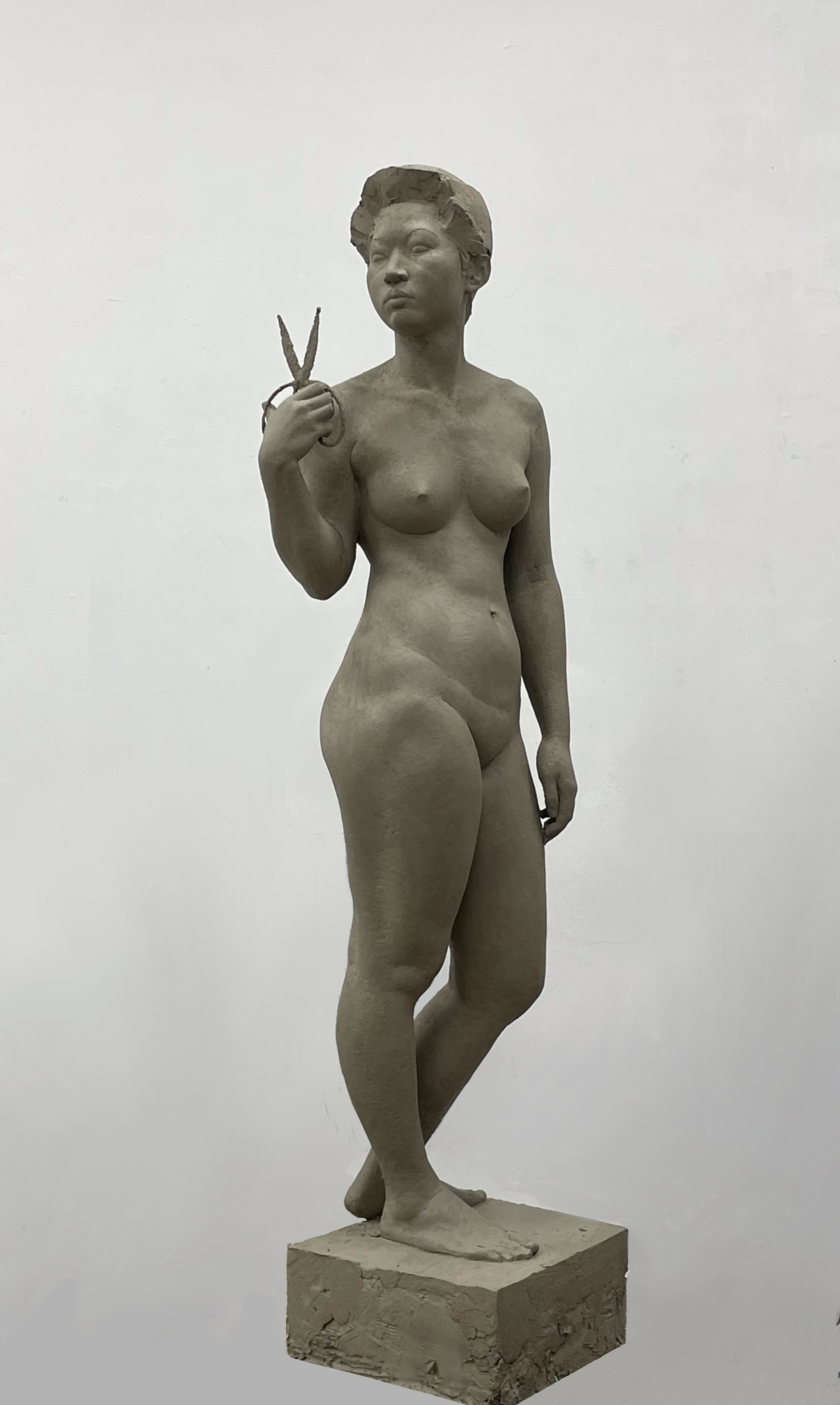
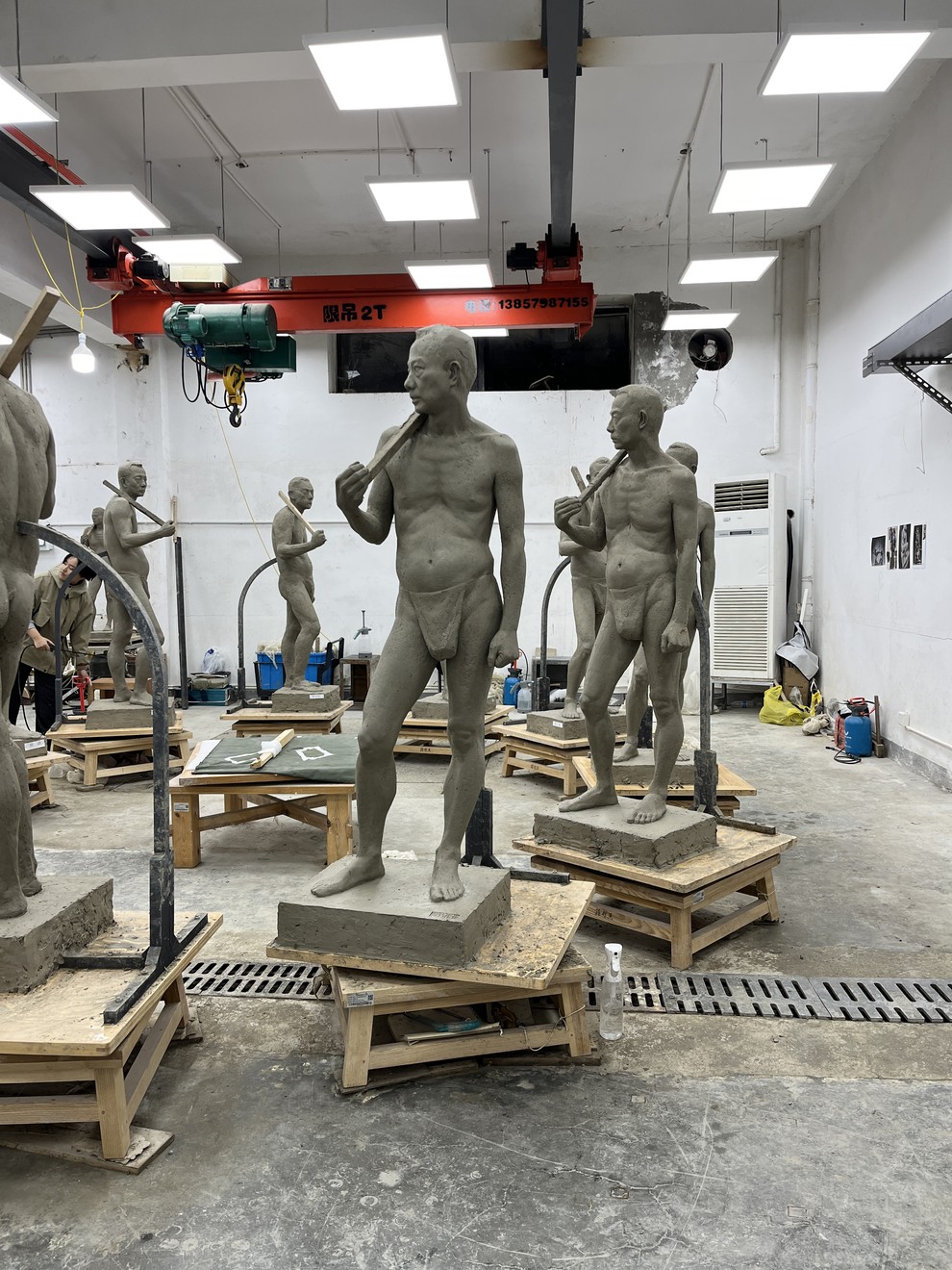
Life-size human figure clay modeling is the largest-scale assignment in the sculpture curriculum, representing the culmination of figurative clay modeling training at this stage. Through this training, students can apply the fundamental elements learned and mastered in smaller-scale clay modeling courses — such as center of gravity, proportion, movement, sense of volume, and sense of mass — as well as the basic principles of clay modeling from life, to works of a larger scale. This not only tests and consolidates students' foundational knowledge but also helps them organically integrate artistic expression with cultivated sensibility on the basis of understanding and grasping basic sculptural formal elements, gradually forming their own artistic thinking and methods of expression.
Life-size human figure clay modeling trains students' overall modeling awareness and three-dimensional observational methods. During the sketching process, students are required to observe the model from multiple angles and with scientific rigor, rationally analyzing underlying anatomical structures and dynamic relationships to accurately capture the model's morphological characteristics. This enhances students' ability to perceive and express form, enabling them to continuously adjust, reflect upon, and refine their work throughout the modeling process until the desired artistic effect is achieved.
Furthermore, this course is also a necessary prerequisite and preparation for successfully completing other related content, such as life-size clothed figure modeling. Through this training, students can master the fundamental techniques and principles of human figure sculpture, laying a solid foundation for subsequent study. It not only enhances students' professional skills and artistic cultivation but also provides valuable experience and inspiration for their future artistic creation.
Course Images:



Student work: